
Choosing the right Stamped Concrete finish can completely transform outdoor and indoor spaces, adding visual appeal, durability, and long-term value. Understanding how this surface system works before starting a project ensures better results and fewer costly mistakes. Whether you are planning a patio, walkway, driveway, or even decorative concrete stairs, making informed decisions at the start is critical for long-term satisfaction.
This surface system offers theppearance of natural stone, brick, slate, or tile at a fraction of the cost while maintaining structural strength. However, selecting the right texture, color, and installation approach requires careful planning. This guide walks you through everything you need to know, from understanding the basics to deciding when DIY is realistic and when professional help is the smarter choice.
Understanding Decorative Concrete and Where It Works Best
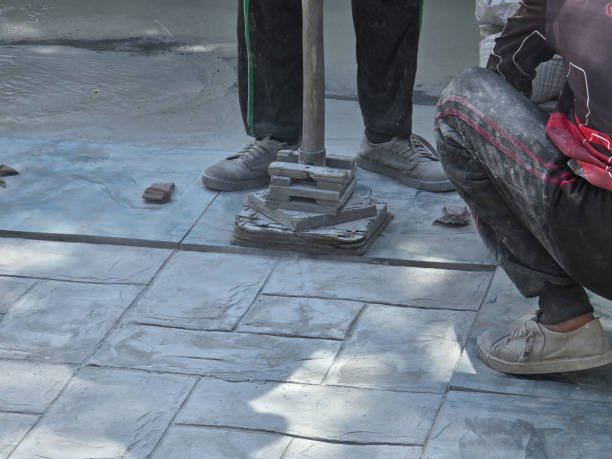
Decorative concrete is created by pressing textured mats or skins into freshly poured material before it fully cures. This process allows the surface to replicate high-end finishes like flagstone, cobblestone, wood planks, or natural slate without the expense or maintenance challenges of real stone.
The versatility of this system makes it suitable for patios, pool decks, driveways, walkways, and even architectural steps. Homeowners often choose it because it delivers both strength and style in one solution. Unlike pavers that may shift over time, this continuous surface stays intact when installed correctly.
When sealed properly, it resists moisture penetration, UV fading, and surface wear. This makes it especially suitable for changing weather conditions. Before selecting a design, it is important to consider how the space will be used. High-traffic areas such as driveways require stronger textures and protective sealers, while patios may focus more on comfort and visual appeal.
Matching finish selection to function is one of the most overlooked steps in the planning process.
Choosing the Right Pattern and Texture for Your Space
One of the most attractive features of this decorative system is the wide range of available patterns. Popular choices include ashlar slate, seamless stone, wood plank, brick herringbone, and European fan designs. Each option creates a different visual impact and should match the architectural style of your property.
For beginners, seamless texture skins are often easier to manage than detailed stamp patterns. These textures do not require precise alignment, making them more forgiving during application. Patterned mats, while visually striking, require accurate placement and timing to avoid misalignment or uneven impressions.
This is also the stage where many homeowners consult Stamp Contractors in Atlanta, GA for guidance. Professional input can help you avoid selecting a pattern that looks appealing in photos but does not suit your space in real life. Texture depth also plays an important role, as deeper impressions improve slip resistance but require more experience to execute correctly.
Selecting the Right Color for a Natural Finish
Color selection plays a major role in the final appearance of decorative concrete surfaces. Most projects use either integral color mixed into the material or surface-applied color hardeners and stains. Integral color provides uniform shading throughout, while surface coloring allows more variation and depth.
Many homeowners prefer earth tones that resemble natural stone, as these shades age well and blend easily with outdoor environments. Antiquing agents and release powders are often applied to highlight texture by settling into recessed areas, creating a more realistic stone-like effect.
When working with stamped and stained concrete in Hiram, GA, professionals often recommend testing samples in the actual installation area. Lighting conditions, surrounding materials, and sealing products can significantly change how colors appear after curing. This step helps avoid disappointment once the surface is complete.
Understanding Surface Preparation and Base Requirements
No decorative concrete project succeeds without proper ground preparation. The base beneath the slab must be stable, compacted, and well-drained. Poor preparation is one of the leading causes of cracking, sinking, and early surface failure.
The concrete mix itself must also be suitable for imprinting. A properly designed mix contains the right balance of cement paste and aggregate to allow clean impressions without tearing the surface. Ready-mix suppliers can adjust formulas specifically for decorative applications, which is especially useful for DIY projects.
Professional concrete stamp services in Dallas, GA often emphasize that most failures are not caused by imprinting mistakes but by poor groundwork. Taking extra time for grading, reinforcement, and formwork significantly improves durability and appearance over time.
Timing Matters: When to Apply the Pattern
Timing is one of the most critical steps in the entire process. The surface must be firm enough to hold an impression but still soft enough to accept texture properly. If applied too early, the design will blur. If applied too late, the pattern becomes shallow or incomplete.
A common test involves pressing a thumb into the surface. If it leaves an impression about a quarter inch deep without sticking, the material is ready. Weather conditions such as heat, wind, and humidity can all affect curing speed, making timing unpredictable for beginners.
This is why many DIY projects require multiple helpers. Once the imprinting process begins, it cannot be paused without risking inconsistencies. Experienced installers know how to adjust timing based on real-time conditions, which reduces surface defects and improves final results.
Sealing and Protecting the Finished Surface
Sealing is essential for long-term performance. A quality sealer protects against moisture penetration, freeze-thaw damage, stains, and UV exposure. It also enhances color depth and gives the surface its final appearance, whether matte, satin, or glossy.
Sealers must be applied evenly and at the correct time. Applying too early can trap moisture, causing whitening or bubbling. Waiting too long can reduce adhesion. Resealing every few years helps maintain appearance and durability.
Regular maintenance is often underestimated. Cleaning with mild products, avoiding harsh chemicals, and periodic resealing significantly extend the lifespan of the surface. This long-term care plays a major role in preserving property value.

DIY vs. Professional Installation: Making the Right Choice
While DIY installation is possible, it is not suitable for every project. Smaller areas such as garden paths or decorative slabs are better for beginners. Larger projects like driveways, patios, or decorative concrete stairs require precise timing, multiple workers, and experience handling unpredictable conditions.
Professional installers bring technical skill along with access to commercial-grade tools and proven techniques. They know how to prevent common issues such as uneven coloring, cracking, and premature wear.
Working with experts ensures consistent results, proper curing, and long-term durability. For homeowners who value reliability and finish quality, professional installation often becomes more cost-effective than repairing DIY mistakes later.
Final Thoughts
This decorative surface system adds both functional and aesthetic value to a property. Its ability to mimic premium materials without their maintenance requirements makes it highly attractive to homeowners and buyers alike. When installed correctly, it can last decades with minimal upkeep.
Beyond appearance, it improves usability of outdoor areas. Slip-resistant textures, seamless finishes, and customizable designs allow homeowners to create functional spaces tailored to their lifestyle.
When chosen carefully and installed properly, it becomes a long-term investment rather than a temporary upgrade.
Frequently Asked Questions
Is this surface suitable for all climates?
Yes, it performs well in most climates when properly installed and sealed. In freeze-thaw regions, strong base preparation and regular sealing are essential to prevent damage.
How long does it last?
With proper installation and maintenance, it can last 25 to 30 years or more. Routine resealing and care significantly extend its lifespan.
Can it be repaired if damaged?
Minor cracks and surface wear can often be repaired or resurfaced. However, severe damage may require partial or full replacement.
Is it slippery when wet?
It can be made slip-resistant by using textured patterns and adding non-slip additives to the sealer. Proper design choices reduce safety concerns in wet areas.