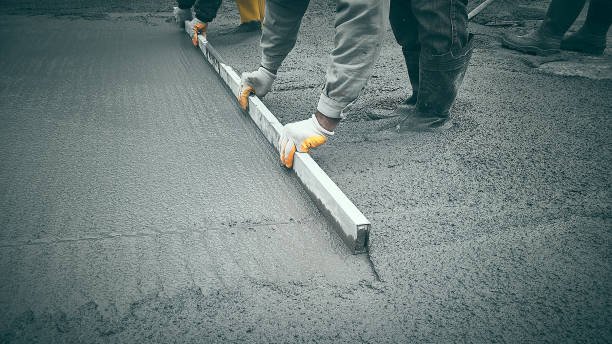
Choosing the right color is not just about appearance it directly affects durability, visual harmony, and long-term satisfaction with your concrete surface.
Color selection becomes even more important when dealing with decorative concrete because stamped surfaces are designed to replicate natural materials like stone, brick, or wood. The wrong shade can make even high-quality installation look artificial, while the right combination can dramatically enhance curb appeal and property value.
This guide explains how to choose stamped concrete colors, what factors matter most, and how professionals achieve realistic and long-lasting finishes using different coloring systems.
Color Selection Process
Big D’s Concrete LLC works closely with homeowners and builders, similar to Stamp Contractors in Austell, GA, where color selection is a structured process based on design goals, environment, and material compatibility. Choosing stamped concrete color starts with understanding how the surface will be used and how it should visually blend with surrounding elements.
In most projects, contractors evaluate exterior walls, roofing colors, landscaping, and sunlight exposure before finalizing a shade. This ensures the stamped surface does not clash with existing design elements but instead enhances them.
A professional contractor also explains the difference between light, medium, and dark tones. Light shades create a clean and modern look, while darker tones add depth and hide stains more effectively. This decision becomes even more important in high-traffic areas like driveways and outdoor steps.
Color selection is never random in professional work. It is a structured process that combines design sense, technical knowledge, and environmental understanding to achieve long-lasting results.
Design Applications
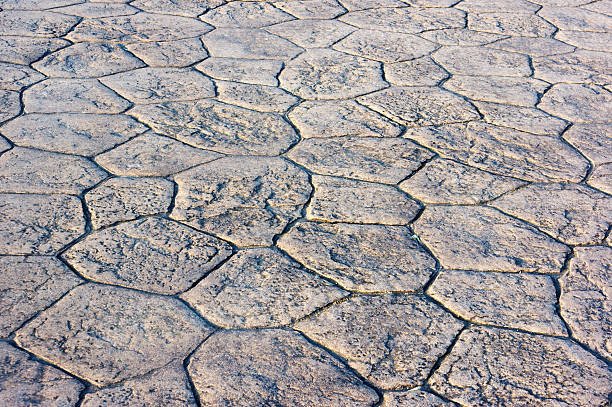
When exploring decorative finishes like stamped and stained concrete in Hiram, GA, color layering becomes a key part of the design process. Stamped concrete alone creates texture, but staining adds depth, variation, and realism to the surface.
Staining is often used to enhance stamped patterns such as slate, stone, or wood textures. It helps eliminate flat or artificial appearances by adding natural color variation. This technique is especially useful in patios, pool decks, and outdoor entertainment areas.
Big D’s Concrete LLC emphasizes that combining stamping and staining creates more realistic finishes compared to single-color applications. Earth tones, grays, and warm browns are commonly used because they mimic natural stone materials.
The key advantage of stained stamped concrete is customization. Homeowners can choose subtle variations or bold contrasts depending on their design preferences. This flexibility makes it one of the most popular choices in modern outdoor construction projects.
Pattern Matching
In professional installations such as concrete stamp services in Mableton, GA, selecting the right color must align with the stamping pattern being used. Different patterns require different color tones to achieve realistic results.
For example, stone patterns often work best with earth tones, while slate patterns look more natural with gray variations. Wood plank stamps require warm browns and layered staining to mimic real timber textures.
Big D’s Concrete LLC follows a design-first approach where color is matched with texture before installation begins. This ensures that the final surface does not appear flat or artificial.
Another important consideration is how sunlight interacts with stamped surfaces. Darker colors absorb more heat, while lighter shades reflect sunlight and stay cooler. This directly affects comfort in outdoor spaces such as patios and walkways.
Proper pattern and color matching also improves long-term durability perception, making the surface look newer for a longer time even under heavy usage.
Understanding Stamped Concrete Color Systems
Choosing Stamped Concrete color involves understanding different coloring systems used in the industry. The most common method is integral coloring, where pigment is mixed into the concrete before pouring. This creates a consistent base color throughout the slab.
Another widely used method is surface coloring, which includes color hardeners and release agents. These are applied on top of the concrete before stamping to create highlights, shadows, and texture depth.
Stains are also used to enhance or modify existing concrete surfaces. They are ideal for adding variation after installation and are commonly used in renovation projects.
Each system serves a different purpose. Integral color provides long-term durability, while surface treatments add visual depth. Professionals often combine multiple systems to achieve more realistic and customized results.
Benefits of Choosing the Right Stamped Concrete Color
The correct color choice can significantly improve the overall appearance and functionality of stamped surfaces. One of the main benefits is improved curb appeal, which increases property value and enhances outdoor aesthetics.
Another benefit is better visual integration with surrounding architecture. A well-matched color ensures that patios, driveways, and walkways blend naturally with the home’s exterior design.
Durability perception is also improved. While color does not directly increase strength, darker and textured finishes tend to hide stains, cracks, and wear more effectively over time.
Additionally, properly chosen colors reduce maintenance frequency since dirt and discoloration are less visible on balanced tones.
Factors That Influence Stamped Concrete Color Selection
Several important factors must be considered when selecting color for stamped surfaces. Environmental conditions play a major role. Areas with high sunlight exposure often require lighter tones to reduce heat absorption.
Architectural style is another key factor. Modern homes typically use gray or charcoal tones, while traditional homes prefer earth tones and warm colors.
Usage also matters. High-traffic areas like driveways require durable and forgiving colors that can hide wear and tear. Decorative areas like patios allow for more creative color combinations.
Finally, personal preference is always considered, but it must be balanced with practical performance to ensure long-term satisfaction.
Maintenance and Longevity of Colored Stamped Concrete
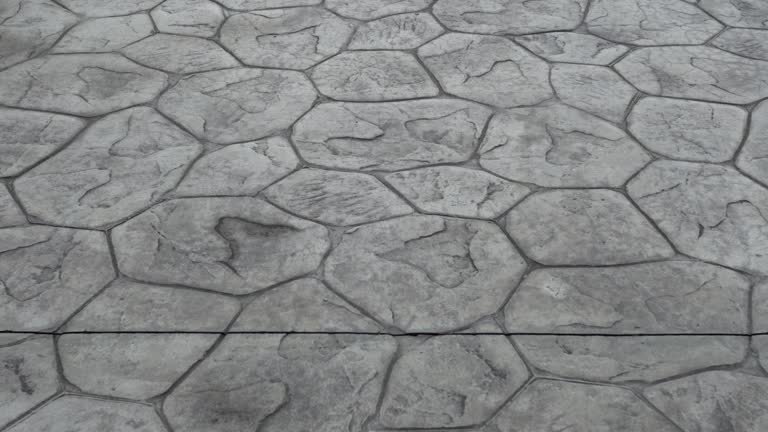
Proper maintenance ensures that stamped concrete retains its color and appearance for many years. Sealing is one of the most important steps, as it protects the surface from moisture, UV rays, and stains.
Re-sealing is typically required every few years depending on usage and weather conditions. This helps maintain color vibrancy and surface protection.
Cleaning also plays a role in maintaining appearance. Regular washing prevents dirt buildup and keeps the surface looking fresh.
Final Thoughts
Selecting the right Stamped Concrete color is a combination of design understanding, technical knowledge, and environmental awareness. It is not just a visual decision but also a functional one that affects durability and maintenance.
Big D’s Concrete LLC ensures that every project is designed with careful attention to color matching, texture selection, and long-term performance. Whether you are upgrading a driveway, patio, or walkway, professional guidance can make a significant difference in the final outcome.
A well-chosen color transforms ordinary concrete into a decorative feature that enhances property value and outdoor living experience.
FAQs
1. What is the best color for stamped concrete?
There is no single best color. It depends on home design, environment, and usage. Earth tones and grays are the most commonly used.
2. How long does stamped concrete color last?
With proper sealing and maintenance, stamped concrete color can last for decades without significant fading.
3. Can stamped concrete be recolored later?
Yes, it can be updated using stains or coatings, but integral color applied during pouring cannot be changed.
4. Does stamped concrete color affect durability?
Color does not affect structural strength, but it influences heat absorption, stain visibility, and maintenance needs.