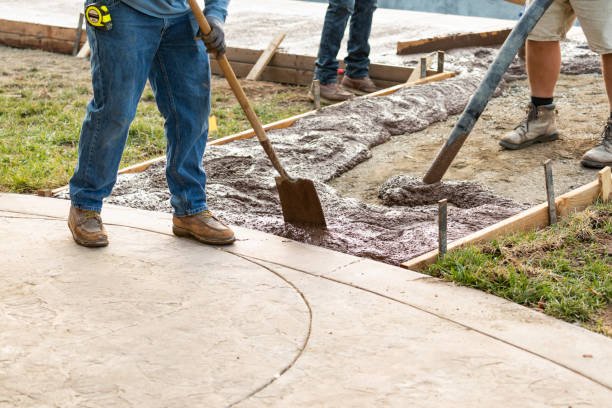
The best time to pour concrete plays a critical role in how strong, durable, and long-lasting your finished surface will be. Whether you are working on driveways, slabs, or patios, timing your project correctly ensures proper concrete curing, prevents cracking, and improves structural strength.
Weather conditions such as temperature, humidity, rain, and seasonal changes directly impact Pouring Concrete success. If the timing is wrong, even high-quality materials can fail. In this guide, we explain the ideal seasons, temperature ranges, and expert tips for successful concrete work.
Commercial Concrete and Pavers: Why Timing Matters for Concrete Projects
When working with professionals like Commercial Concrete and Pavers, one of the most important factors they consider is timing. The best time to pour concrete depends heavily on environmental conditions that affect the curing process.
Concrete is a mixture of cement, water, sand, and aggregates. Once mixed, a chemical reaction called hydration begins, which is essential for strength development. If this process is disrupted by extreme weather, the final structure may weaken.
Why Timing Is Important
The success of Pouring Concrete depends on:
- Proper curing conditions
- Stable temperature range
- Controlled moisture levels
- Minimal weather disruption
Ideal Seasonal Conditions
Experts agree that the best conditions for concrete work occur during:
- Spring season
- Early autumn
These seasons provide moderate temperatures and stable humidity levels, making them ideal for strong curing.
Why Professionals Prefer Mild Weather
Contractors prefer mild weather because:
- Concrete cures evenly
- Reduced risk of cracking
- Better surface finishing
- Improved long-term durability
Pouring Concrete in Hiram, Ga: Cold Weather Challenges You Must Know
If you’re planning Pouring Concrete in Hiram, Ga, understanding cold weather risks is essential. The best time to pour concrete avoids freezing conditions because low temperatures can significantly damage fresh concrete.
Risks of Cold Weather Pouring
When temperatures drop too low during Pouring Concrete In Cold Weather, several problems occur:
- Water inside concrete freezes
- Expansion causes internal cracking
- Strength development slows down
- Surface scaling occurs
Concrete exposed to freezing within the first 24 hours can lose up to 50% of its strength.
Safe Temperature Guidelines
Concrete should not be poured when:
- Temperature is below 5°C (41°F)
- Ground is frozen or covered in ice/snow
Cold Weather Protection Methods
If pouring cannot be avoided:
- Use insulated formwork
- Apply frost blankets
- Use heated enclosures or space heaters
- Add air-entrained admixtures
These methods help maintain heat and protect curing strength.
Concrete Patios: Hot Weather and Rain Risks During Concrete Pouring
When working on outdoor projects like Concrete Patios, weather conditions can make or break your results. While cold weather is dangerous, hot and rainy conditions also create serious challenges for Pouring Concrete.
Hot Weather Problems
High temperatures cause:
- Rapid water evaporation
- Surface cracking
- Weak bonding
- Poor finishing quality
During hot days, the best time to pour concrete is early morning or late evening when temperatures are lower.
How to Protect Concrete in Hot Weather
- Avoid midday pouring (11 AM – 3 PM)
- Use shade coverings
- Apply retarding admixtures
- Keep extra labor ready for fast finishing
Rain Risks in Concrete Work
Rain can severely damage fresh concrete by:
- Washing away cement paste
- Weakening surface structure
- Altering water-cement ratio
Rain Protection Tips
- Use tarpaulin covers
- Avoid pouring in heavy rain
- Ensure drainage away from slab area
Understanding the Best Time of Year to Pour Concrete
The best time to pour concrete is usually during seasons when weather is stable and moderate.
Ideal Seasons
- Spring (March–May)
- Autumn (September–November)
Why These Seasons Work Best
These periods offer:
- Moderate temperatures (10°C–25°C)
- Balanced humidity levels
- Low risk of freezing or overheating
- Stable curing conditions
Seasonal Comparison Table
- Winter → High risk (freezing damage)
- Summer → Risk of rapid drying
- Spring → Ideal
- Autumn → Ideal
How Weather Affects Concrete Strength and Durability
Weather plays a direct role in Pouring Concrete success. The hydration process must occur slowly and evenly for maximum strength.
Cold Weather Effects
- Slows curing process
- Increases risk of cracking
- Reduces final strength
Hot Weather Effects
- Causes premature drying
- Leads to surface shrinkage
- Weakens structural integrity
Rain Effects
- Disrupts mixing ratio
- Reduces durability
- Creates uneven surface finish
Concrete Curing Process Explained
Curing is the most important phase after Pouring Concrete.
What Happens During Curing?
- Water reacts with cement
- Heat is generated
- Concrete hardens over time
Standard Curing Timeline
- 24–48 hours → Initial setting
- 7 days → Partial strength
- 28 days → Full strength
The best time to pour concrete ensures this process happens without interruption.
Professional Tips for Perfect Concrete Pouring
Experts in Commercial Concrete and Pavers recommend the following:
Before Pouring
- Check weather forecast
- Prepare ground properly
- Ensure materials are ready
During Pouring
- Work quickly but carefully
- Maintain consistent mix
- Avoid delays in placement
After Pouring
- Keep surface moist
- Protect from weather exposure
- Avoid heavy load during curing
Common Mistakes to Avoid
Many DIY projects fail due to timing mistakes.
- Pouring in freezing weather
- Ignoring rain forecasts
- Overwatering concrete mix
- Delayed finishing work
These mistakes reduce durability and lead to expensive repairs.
Final Answer: What Is the Best Time of Year to Pour Concrete?
The best time to pour concrete is during spring and early autumn when temperatures are moderate and weather conditions are stable.
Avoid:
- Extreme cold
- Heavy rain
- Excessive heat
Proper timing ensures stronger, longer-lasting surfaces whether you’re working on driveways, slabs, or Concrete Patios.