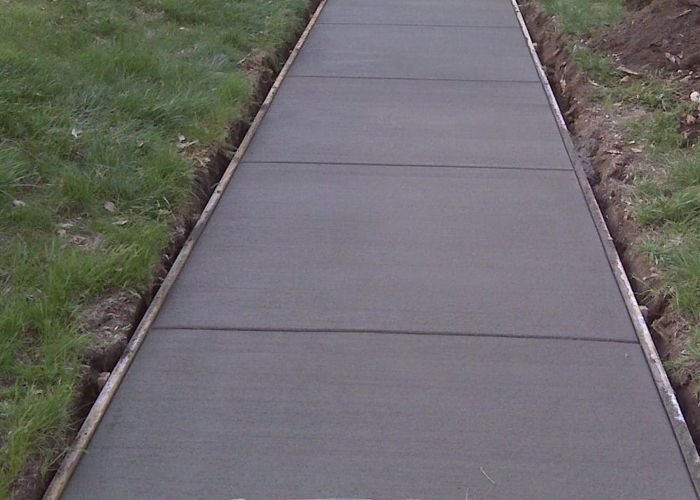
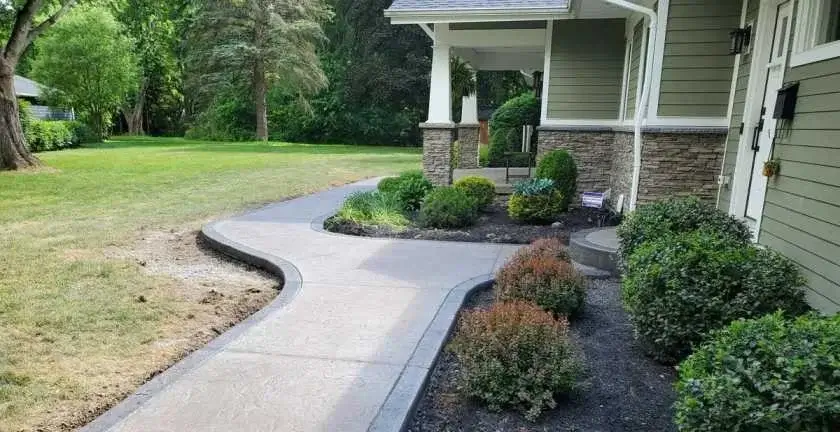
A well-built Concrete Sidewalk does more than connect one area to another. It improves safety, boosts curb appeal, increases property value, and provides a durable walking surface that can last for decades. Whether you are planning a residential path, a commercial walkway, or replacing an old sidewalk, understanding the correct installation process helps ensure a strong and attractive finished product.
Many homeowners ask if they should attempt the project themselves or hire professionals. While basic sidewalk projects may seem simple, achieving a level surface, proper drainage, and long-term durability requires careful planning and expert craftsmanship.
This guide explains every stage of the process, from site preparation to curing, while highlighting professional practices used by Big D’s Concrete LLC for high-quality sidewalk construction.
Why a Concrete Sidewalk Is the Best Choice
Concrete remains one of the most dependable materials for sidewalks because it offers excellent strength, low maintenance, and long service life.
Some of its biggest advantages include:
- Exceptional durability
- Clean and modern appearance
- Weather resistance
- Minimal maintenance requirements
- Cost-effective over its lifespan
- Increased property value
- Improved pedestrian safety
When properly installed, a Concrete Sidewalk can easily perform for 30 years or more with only basic maintenance.
Step 1: Plan the Sidewalk Layout
Every successful project begins with careful planning.
Before excavation starts, determine:
- Sidewalk width
- Walking direction
- Elevation changes
- Drainage requirements
- Existing landscaping
- Utility locations
- Local building regulations
A properly planned layout prevents future drainage problems and unnecessary repairs.
Professional contractors also account for expansion joints and soil conditions before beginning any work.
Step 2: Gather Materials and Tools
Quality materials produce better results.
Typical materials include:
- Ready-mix concrete
- Wooden forms
- Gravel base
- Reinforcement mesh or rebar
- Expansion joint material
- Stakes
- Concrete sealer
Essential tools include:
- Wheelbarrow
- Concrete mixer (if mixing on-site)
- Float
- Edger
- Bull float
- Magnesium float
- Trowel
- Level
- Screed board
- Shovel
- Tamper
Using professional-grade materials significantly improves the lifespan of your sidewalk.
Step 3: Excavate the Area
Proper excavation creates a stable foundation.
Remove grass, roots, loose soil, and debris before digging approximately 6 to 8 inches deep.
The depth depends on:
- Soil stability
- Climate
- Expected foot traffic
- Local building codes
A solid subgrade prevents sinking, cracking, and uneven settling.
Step 4: Install the Gravel Base
One of the most overlooked parts of cement sidewalk installation is preparing the base correctly.
Spread 3 to 4 inches of compacted crushed gravel evenly throughout the excavation.
The gravel layer helps:
- Improve drainage
- Prevent frost heaving
- Reduce soil movement
- Increase structural support
Compact the gravel thoroughly using a plate compactor or hand tamper until the surface feels firm and level.
Skipping this step often leads to premature sidewalk failure.
Step 5: Set the Forms
Wood forms define the final shape of the sidewalk.
Secure the forms using wooden stakes every few feet to prevent movement while pouring concrete.
Use a level to ensure:
- Straight edges
- Proper slope
- Consistent height
Most sidewalks require a slight slope away from buildings to direct rainwater safely.
Step 6: Add Reinforcement
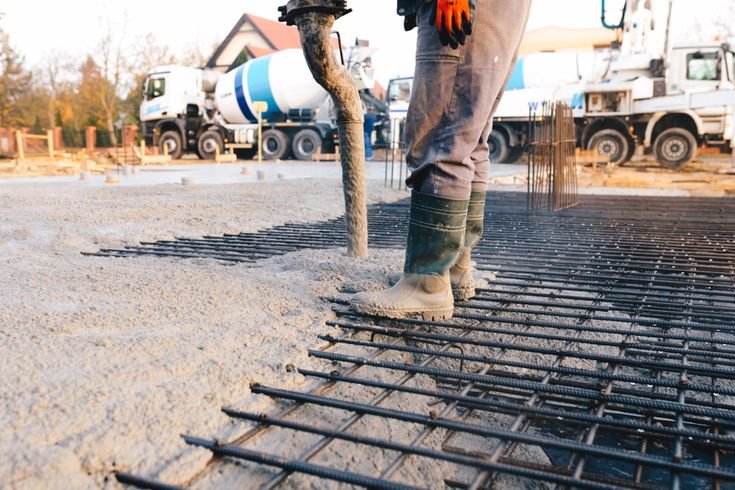
Although not every residential project requires reinforcement, many contractors recommend it for extra durability.
Options include:
- Wire mesh
- Steel reinforcing bars (rebar)
- Fiber-reinforced concrete
Reinforcement helps minimize cracking caused by soil movement and temperature changes.
Step 7: Pour the Concrete
Now comes the most important step of installing a concrete walkway.
Concrete should be poured continuously whenever possible to avoid weak joints.
Spread the concrete evenly inside the forms using shovels or rakes.
Avoid adding excessive water during placement because it weakens the finished surface.
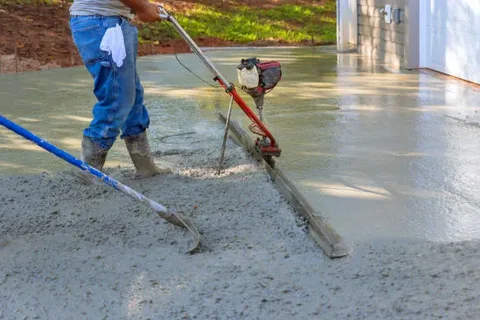
After filling the forms completely, use a screed board to level the concrete by moving it across the top of the forms with a back-and-forth motion.
This creates a flat and consistent surface.
Existing sidewalks that show cracks, uneven slabs, trip hazards, or weather damage should be professionally restored before problems become more expensive. Reliable Sidewalk Repair Services in Atlanta, GA help extend the life of concrete surfaces through expert repairs, proper leveling techniques, structural restoration, and durable finishing methods that improve both appearance and safety.
Step 8: Finish the Surface
Surface finishing determines both appearance and slip resistance.
Professional finishers typically complete the following steps:
- Bull floating
- Edge finishing
- Joint cutting
- Final broom finish
The broom finish provides texture that improves traction during rainy weather.
This step is especially important for sidewalks exposed to frequent pedestrian traffic.
Step 9: Create Control Joints
Many people learning how to lay a concrete sidewalk forget the importance of control joints.
Concrete naturally expands and contracts as temperatures change.
Control joints encourage small cracks to occur in planned locations rather than randomly across the sidewalk.
Generally, joints are placed every 4 to 6 feet depending on sidewalk thickness.
Step 10: Cure the Concrete Properly
Proper curing is one of the biggest factors affecting durability.
Fresh concrete should remain moist for several days after pouring.
Professional curing methods include:
- Plastic sheeting
- Curing blankets
- Liquid curing compounds
- Light water misting
Proper curing increases strength while reducing shrinkage cracks.
Avoid heavy foot traffic for at least 24 to 48 hours.
Vehicles should remain off the sidewalk for several days or longer depending on weather conditions.
Common Mistakes to Avoid
Even small errors can shorten the life of a Concrete Sidewalk.
Common mistakes include:
- Poor soil preparation
- Thin gravel base
- Incorrect slope
- Overwatering the concrete
- Skipping control joints
- Removing forms too early
- Poor curing practices
Avoiding these mistakes results in a stronger, smoother, and longer-lasting sidewalk.
Professional Tips for How to Lay a Sidewalk
Anyone researching how to lay a sidewalk should remember that success depends more on preparation than pouring.
Professional contractors recommend:
- Never pour onto loose soil.
- Check weather forecasts before pouring.
- Work quickly after placing concrete.
- Measure slope carefully.
- Compact the base thoroughly.
- Use quality concrete mixes.
- Seal the finished sidewalk after full curing.
These practices significantly extend the lifespan of your investment.
When Should You Hire Professionals?
While small DIY sidewalks are possible, larger projects require experience.
Hiring professionals provides benefits such as:
- Proper grading
- Accurate measurements
- Code compliance
- High-quality finishing
- Efficient project completion
- Long-lasting durability
Experienced contractors also know exactly how to lay a concrete sidewalk under varying soil conditions, reducing the risk of future repairs.
Quality Sidewalk Solutions from Big D’s Concrete LLC
Whether you’re building a brand-new sidewalk or replacing damaged concrete, professional workmanship makes all the difference.
Homeowners throughout Georgia trust Big D’s Concrete LLC because the company combines skilled craftsmanship with durable materials and proven installation methods.
If you’re planning a new residential walkway in growing neighborhoods with changing soil conditions, experienced local crews offering Concrete Walkway Installation in Hiram, GA understand proper grading, drainage design, durable concrete mixes, and long-term performance for sidewalks that remain attractive and structurally sound for years.
Property owners looking to improve curb appeal and pedestrian safety also benefit from customized Concrete Walkway Installation in Mableton, GA, where every project is carefully planned to match the landscape, improve accessibility, and withstand daily foot traffic while complementing the surrounding property.
Maintaining Your Concrete Sidewalk
Regular maintenance helps maximize lifespan.
Recommended maintenance includes:
- Sweep away dirt and debris.
- Wash stains promptly.
- Seal every few years.
- Remove weeds from joints.
- Repair small cracks early.
- Avoid using harsh de-icing chemicals during winter.
Routine care keeps sidewalks looking clean while preventing larger structural issues.
Final Thoughts
Building a durable Concrete Sidewalk requires much more than simply pouring concrete. Proper planning, excavation, base preparation, reinforcement, finishing, joint placement, and curing all contribute to a sidewalk that remains safe and attractive for decades.
Whether you’re exploring cement sidewalk installation, learning how to lay a sidewalk, planning installing a concrete walkway, or researching how to lay a concrete sidewalk, following proven construction practices delivers stronger, longer-lasting results.
For homeowners and businesses seeking professional concrete craftsmanship, Big D’s Concrete LLC provides dependable sidewalk solutions designed for durability, safety, and lasting curb appeal.
Frequently Asked Questions
How thick should a Concrete Sidewalk be?
Most residential sidewalks are 4 inches thick. Areas expecting heavier loads may require 5 to 6 inches of concrete with additional reinforcement.
How long does cement sidewalk installation take?
Most residential cement sidewalk installation projects can be completed within one or two days, although curing requires several additional days before full use.
What is the best base for installing a concrete walkway?
A compacted crushed gravel base provides excellent drainage and structural support, making it ideal for installing a concrete walkway.
Can I learn how to lay a sidewalk myself?
Yes, but understanding how to lay a sidewalk involves excavation, grading, forming, finishing, and curing. Larger or more complex projects are best handled by experienced professionals.
Why are control joints necessary when learning how to lay a concrete sidewalk?
Control joints help direct natural concrete movement and reduce random cracking, making them an essential part of how to lay a concrete sidewalk.
How long will a Concrete Sidewalk last?
A properly installed and maintained Concrete Sidewalk can last 30 to 50 years or longer, depending on climate, soil conditions, and maintenance.