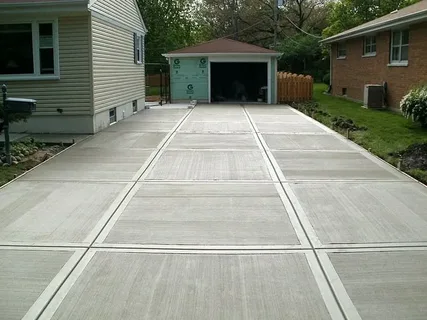
A concrete driveway can change the feel of a home from the street. It creates a clean path for cars and a steady surface for daily use. However, the price can feel unclear before the work begins. Several factors shape the final bill, including size, thickness, labor, site conditions, and finish. In 2026, national pricing data places professional concrete driveway installation around $8 to $20 per square foot.
For homeowners, understanding these costs brings peace of mind. It also makes estimates easier to compare. A Driveway Concreter may price a small driveway very differently from a large replacement. Therefore, the best budget starts with the driveway itself, not a single national average.
1. What Is the Average Concrete Driveway Cost?
Concrete driveway prices depend mainly on square footage. National data shows installed costs commonly range from $8 to $20 per square foot.
For example, a 200-square-foot driveway may cost about $1,600 to $3,000. Meanwhile, a 400-square-foot driveway may cost about $3,200 to $6,000. A larger 864-square-foot driveway can reach roughly $6,900 to $13,000. A Driveway Concreter can also price a replacement higher than a new installation. Existing concrete may need removal and hauling. Therefore, homeowners should compare complete estimates instead of focusing only on the price per square foot.
2. How Driveway Size Changes the Price
Size affects cost because larger driveways need more concrete, labor, forms, and preparation. Therefore, measuring the planned area gives homeowners a useful starting point. However, size is not the only concern. A curved driveway can require more forming work. A sloped driveway may also need extra grading.
As a result, two driveways with similar square footage can have different prices. A simple layout usually requires less labor. More complex layouts often take longer to build.
3. How Thickness and Reinforcement Affect Cost
Concrete thickness matters because thicker slabs require more material. Most residential driveways commonly use about four inches of concrete. However, heavier vehicle use can call for greater thickness.
For instance, a driveway used by large trucks may need a stronger design. Soil conditions can also affect the required structure. Therefore, thickness should match the expected load and site conditions.
The right design depends on use, soil, drainage, and local requirements. A Driveway Concreter can evaluate these factors when preparing an estimate.
4. What Makes Concrete Driveway Prices Rise?
Several smaller costs can quietly change a driveway budget. First, old concrete may need demolition and removal. Second, poor soil may require additional preparation. Third, grading may become necessary when water does not drain correctly.
Decorative finishes can also raise the price. Current estimates place plain concrete around $6 to $8 per square foot. Broom, textured, colored, and exposed aggregate finishes often range from $8 to $12. Stamped finishes can reach $12 to $18 per square foot.
Concrete Driveway Prices may also increase with special shapes. Curves require custom forms and additional labor. Likewise, difficult access can make material delivery harder.
5. Repair or Replace: Which Costs Less?
Not every damaged driveway needs complete replacement. Small cracks or surface problems may allow repair. However, widespread damage can make replacement more practical.
Current national data places concrete driveway repair around $3 to $25 per square foot. Replacement commonly falls around $8 to $20 per square foot.
In Atlanta, homeowners may search for Concrete Repair Atlanta when cracks or uneven areas appear. Still, the repair choice should depend on the condition beneath the surface.
A Driveway Concreter can assess whether damage remains local or affects the larger slab. If the base remains stable, repair may extend the driveway’s useful life. If the slab has major movement, replacement may offer better long-term value.
6. Does Location Change Concrete Driveway Cost?
Location can strongly influence driveway costs. Labor rates differ between cities and regions. Material delivery costs also change based on distance and supplier availability.
Local regulations can matter as well. Some areas require permits or inspections for driveway work. Homeowners may also face HOA rules about driveway design or appearance.
In Georgia, homeowners may compare Atlanta Concrete Contractors when researching local pricing. Yet a nearby contractor can still face different costs based on the specific property.
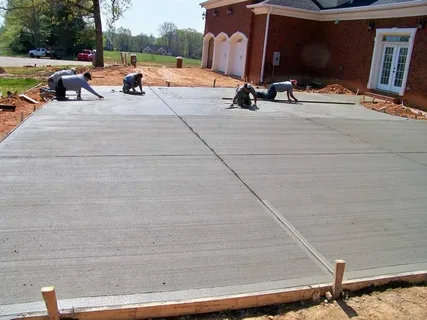
7. How Concrete Can Improve Property Value
A driveway does more than provide parking space. It also shapes the first impression of a property. A clean, well-maintained driveway can support better curb appeal.
Concrete can also offer a durable surface for regular vehicle traffic. Its value comes from both appearance and function. Current estimates suggest concrete driveways may provide a 50% to 80% return on investment, although actual results vary by property and market.
In addition, Commercial Concrete Improve Property Value can apply to businesses with visible parking areas and entrances. A neat concrete surface can create a more orderly appearance for customers and visitors. A Driveway Concreter can help create a surface suited to the property’s needs. Yet homeowners should view the driveway as one part of the larger property picture.
8. What Should a Concrete Driveway Estimate Include?
A useful estimate should show more than one final number. It should explain what the price covers. That clarity helps homeowners compare different bids fairly.
A complete estimate may include:
- Site Work: grading, excavation, base preparation, and drainage.
- Concrete Work: material, thickness, reinforcement, forms, pouring, and finishing.
- Removal: demolition, hauling, and disposal of an existing driveway.
The estimate should also identify the planned finish and driveway dimensions. Furthermore, it should mention possible permit costs when applicable. Homeowners comparing Professional Concrete Contractors should look beyond the lowest number. Clear pricing can reduce surprises later. Experience with similar driveway conditions can also matter.
A Clearer Way to Think About Driveway Cost
A concrete driveway represents more than a line item in a home budget. It becomes part of everyday life. Cars cross it each morning. Guests see it when they arrive. Families depend on it through changing seasons. A Concrete Contractor in Dallas GA, for example, may face different soil, labor, and local requirements than a contractor in another state. Location makes a major difference.
For readers researching local options, Big D’s Concrete LLC may be one business name encountered during that process. Regardless of the company considered, informed comparison remains the strongest foundation for a confident decision.
FAQs
How much does a concrete driveway cost per square foot?
National 2026 estimates commonly place professional concrete driveway installation between $8 and $20 per square foot.
What is the average cost of a concrete driveway?
Current national data lists the average concrete driveway cost at about $6,400. However, typical projects can range from roughly $2,700 to $14,500.
Is repairing concrete cheaper than replacing it?
Repair can cost less when damage remains limited. National estimates place repairs around $3 to $25 per square foot. Replacement may cost about $8 to $20 per square foot.
Does driveway thickness affect cost?
Yes. Thicker slabs require more concrete and can increase material and labor costs. Most residential driveways commonly use about four inches, while heavier loads may require more thickness.
What is the biggest factor in concrete driveway cost?
Driveway size usually has a major effect because larger areas require more material and labor. However, thickness, site preparation, removal, finish, access, and local labor rates can also change the final price.