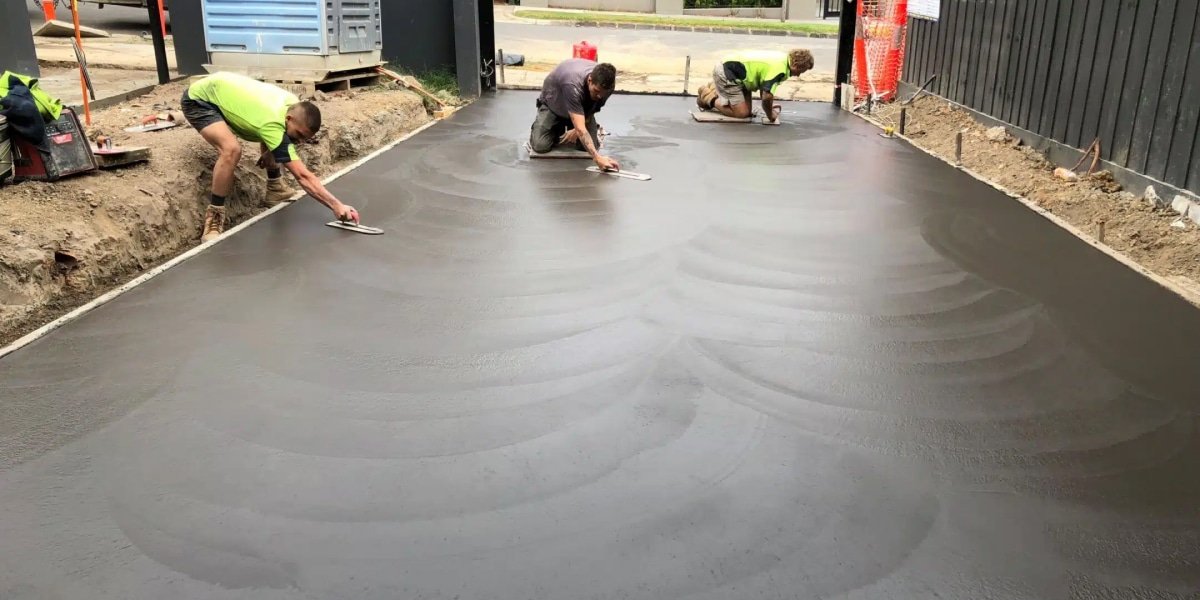
A driveway does more than give cars a place to park. It shapes the first look of a home and handles daily traffic in every season. So, how long does concrete driveway last depends on several factors. The quality of materials, soil, weather, drainage, traffic, and maintenance are all factors that contribute to its longevity. For many households, a well-constructed concrete driveway will normally survive for 25 to 30 years. In addition, with proper maintenance, they may survive much longer. On the other hand, small cracks can become worse due to neglect by the owner. Moreover, water can cause further damage in those vulnerable spots. It is clear then that knowing the lifespan of a driveway is important in protecting an expensive asset.
1. Understand the Typical Concrete Driveway Lifespan
Most concrete driveways can serve a home for roughly 25 to 30 years. However, that range can change based on local conditions and construction quality. A driveway with strong drainage may last longer than one exposed to standing water. Ultimately, how long does a concrete driveway last depends on the complete system. The slab, base, drainage, joints, soil, and maintenance all work together.
2. Know What Affects Driveway Life
There are various factors that determine the lifespan of a driveway, and knowledge of these factors will be able to give a clear explanation for the differences that exist between two otherwise similar driveways. The quality of concrete used is another critical factor that affects the longevity of a driveway. Poorly mixed concrete could lead to complications sooner than expected, while poor joints make way for cracks to travel further. Proper drainage is even more crucial because water is supposed to drain rather than gather around or under the concrete slab.
3. Watch for Early Signs of Driveway Damage
Small signs usually signify the initial problem in the driveway that requires inspection. Thus, keep an eye out for cracks, peeling surfaces, stains, and rough spots before they grow into bigger problems. Hairline cracks normally occur as a result of aging concrete. On the other hand, larger cracks indicate movements underground. Similarly, bumps and dips can show that there is movement of the soil or improper drainage. Pay special attention to the edges of the driveway too. The edges can be prone to deterioration from soil erosion and vehicles driving over them constantly. What matters the most is the timely detection of the problems mentioned above.
4. Maintain Concrete Through Every Season
Regular care can help a driveway remain strong and attractive. Fortunately, maintenance does not need to become complicated.
Start with basic cleaning. Remove leaves, dirt, oil, and other debris before they remain on the surface for long periods. Also, keep nearby drains and runoff paths clear. Also, pay attention to small cracks. Professional evaluation may make sense when a driveway develops major settlement or repeated cracking. In Douglasville, property owners may also research professional concrete services in Douglasville, GA when larger concrete concerns appear.
5. Choose Materials and Construction With Care
The materials beneath and within a driveway affect its long-term strength. Therefore, quality construction starts before the concrete reaches the surface.
The concrete itself needs suitable strength for its intended use. Proper placement and finishing also matter. However, excessive finishing can affect the surface and create problems over time.
An aggregate driveway can provide a different appearance and surface texture. Yet every driveway material has its own maintenance needs and expected lifespan.
Similarly, concrete paving can offer a durable surface when the supporting base, drainage, and installation all work together.
6. Compare Maintenance Needs and Long-Term Value
Different driveway surfaces age in different ways. Therefore, compare maintenance needs before choosing or replacing a driveway. Concrete often provides a clean, solid surface for everyday residential use. However, repairs can become more involved when cracks spread or slabs shift.
For homeowners considering concrete driveways, long-term value comes from more than the initial installation cost. Consider expected lifespan, maintenance, repair needs, appearance, and local weather.
A driveway that stays stable for decades can provide practical value every day. That value becomes clearer when maintenance remains manageable and major repairs stay limited.
7. Protect the Base Beneath the Driveway
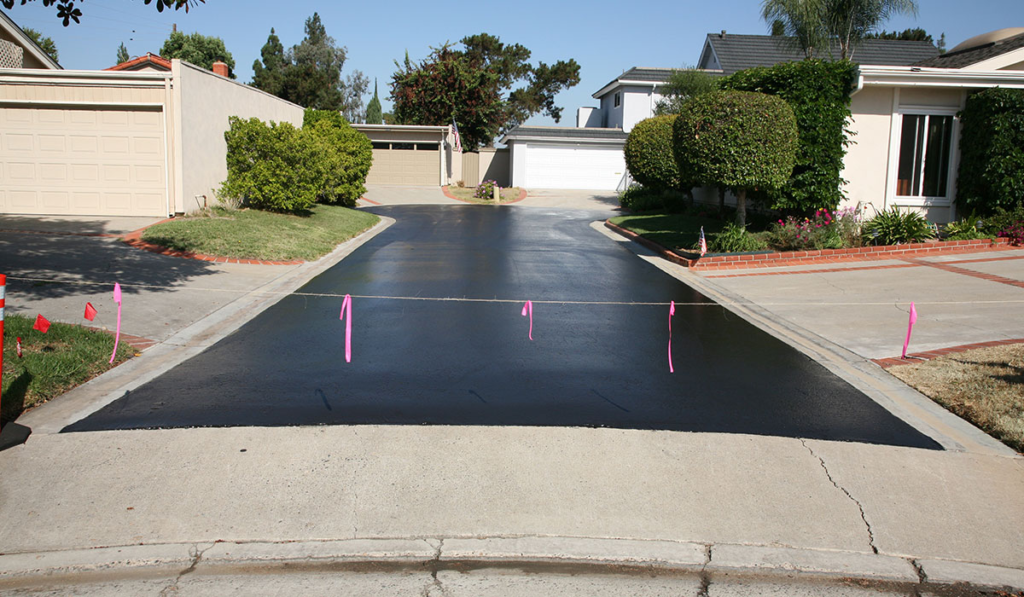
The surface gets most of the attention, but the ground below matters just as much. A strong slab cannot perform well when its support shifts.
Soil movement can happen naturally. Clay-heavy soil may expand when wet and contract during dry periods. Poor drainage can make these changes worse. The same principle applies to foundation concrete around a property. Water control and stable soil help protect concrete structures from unnecessary movement.
8. Know When Repair or Replacement Makes Sense
Not every crack means a driveway needs replacement. In fact, many surface issues can remain manageable for years with proper care. However, certain signs deserve closer attention. Large cracks, major uneven areas, repeated Replacement may become reasonable when repairs no longer provide lasting results. Yet replacement decisions should consider the cause of the damage. Otherwise, the same problem may return. The real question is not simply how long does a concrete driveway last. Instead, ask how well the entire driveway system has performed over time.
Conclusion
A driveway can quietly serve a home for decades, carrying daily traffic through changing seasons. Protect that value by paying attention to drainage, soil, cracks, joints, and surface wear. With sound construction and steady care, concrete driveways can remain a dependable part of a property for many years. The strongest driveway is not simply the newest one; it is the one that continues to perform well as time moves forward.
FAQs
- How long will a concrete driveway last?
The average concrete driveway lasts approximately 25 to 30 years. But drainage, stable ground, proper installation, low traffic, and regular maintenance can increase this time.
- What causes concrete driveways to crack?
There are several reasons why concrete driveways start cracking. It can be soil movement, bad drainage, loading, changes in temperature, improper installation, and natural shrinkage.
- Will maintenance help to prolong the driveway life?
Yes, maintenance may help to prolong the life of a driveway. The cleaning of the surface, watching cracks, checking drainage and protecting sensitive spots can do that.
- Should a concrete driveway be chosen instead of an aggregate one?
There is no answer that applies to everyone. Concrete gives a more finished look, but an aggregate driveway also has its advantages.
- When should a concrete driveway be replaced?
Replace the driveway when there are problems such as extensive cracking, settlement, surface damage and frequent repairing.