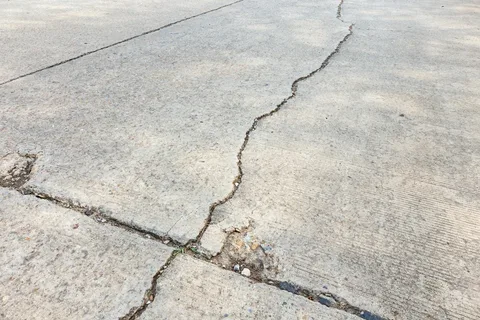
Concrete sidewalks are built to last, but they do not stay perfect forever. Over time, weather, heavy use, and natural ground movement can cause visible damage. Small cracks may seem harmless at first, yet they often grow into larger problems if ignored. Learning what causes these issues can help property owners prevent costly repairs and keep walkways safe. Understanding concrete sidewalk cracks also makes it easier to recognize early warning signs before damage spreads. This guide explains the five most common causes of sidewalk cracking, how to reduce future damage, and when repairs may become necessary. With the right knowledge, sidewalks can remain safer, stronger, and more attractive for many years.
1. Natural Ground Movement Can Create Cracks
The ground beneath a sidewalk constantly changes. Soil expands when it absorbs moisture and shrinks when it dries. These natural movements place pressure on concrete over time. As the soil shifts, the sidewalk may settle unevenly, creating stress that eventually leads to cracks.
A single sidewalk crack often begins as a thin line before becoming more noticeable. Although the damage may seem small, early repairs usually prevent larger problems later.
“Strong concrete still depends on a stable foundation beneath it.”
Areas with clay-rich soil often experience more movement than areas with compact gravel. Regular inspections help detect early signs of shifting before serious damage develops. Addressing residential concrete sidewalk contractors in Mapleton, GA helps reduce unnecessary soil movement beneath the concrete.
2. Tree Roots Push Against the Sidewalk
Trees provide shade and improve curb appeal, but their roots continue growing underground. As roots become larger, they push upward against nearby concrete. This pressure can lift sidewalk sections and create uneven surfaces.
Many homeowners notice a crack in sidewalk areas near mature trees. The problem often develops slowly over several years. Roots naturally search for moisture, making sidewalks especially vulnerable. Choosing suitable planting locations helps reduce future sidewalk damage while protecting healthy tree growth.
3. Heavy Weight Places Extra Stress on Concrete
Concrete sidewalks are designed for foot traffic, not heavy vehicles or equipment. Parking large trucks or placing heavy machinery on sidewalks creates stress that the concrete was never designed to handle. As pressure increases, small fractures begin to appear. Eventually, these develop into larger concrete sidewalk cracks that require repairs. Repeated heavy loads speed up this process, especially if the sidewalk is already aging.
“Small amounts of extra pressure repeated over time can create lasting damage.”
Avoid driving vehicles across sidewalks unless they are specifically reinforced for that purpose. Construction projects should also protect nearby walkways from unnecessary weight. Reducing heavy loads helps extend the life of concrete surfaces.
4. Weather Changes Cause Concrete to Expand and Shrink
Concrete naturally reacts to changing temperatures. During hot weather, it expands. When temperatures drop, it contracts. These repeated cycles place stress on the material year after year. Many property owners wonder why sidewalk is cracked after harsh seasonal weather. In colder climates, water enters small openings, freezes, and expands. This freeze-thaw cycle widens existing cracks and weakens the concrete.
Good drainage helps reduce water buildup around sidewalks. Sealing concrete surfaces may also reduce moisture penetration. Regular concrete walkway repair Hiram, GA keeps minor damage from becoming expensive repairs. Although weather cannot be controlled, understanding its effects allows homeowners to plan inspections and maintenance before seasonal changes create larger problems.
5. Poor Installation Can Lead to Early Damage
A sidewalk should begin with proper planning and careful installation. If the base is not compacted correctly, the concrete may settle unevenly after it hardens. Weak support beneath the surface increases the chance of cracks developing sooner than expected.
In some cases, installers may use the wrong concrete mix or fail to place control joints in the correct locations. These mistakes make the concrete less able to handle natural movement and changing weather conditions.
A properly installed sidewalk distributes weight evenly and provides long-lasting performance. Careful preparation before pouring concrete helps reduce future maintenance needs. Paying attention to installation quality from the beginning often prevents expensive repairs later and extends the life of the sidewalk.
6. Simple Maintenance Helps Prevent Bigger Problems
Regular maintenance is one of the easiest ways to keep sidewalks in good condition. Small cracks are much easier to repair than large damaged sections. Routine inspections allow property owners to find problems before they become safety hazards.
Watch for these common warning signs:
- Small surface cracks that continue growing
- Water collecting near the sidewalk
- Uneven concrete slabs
- Loose or broken edges
- Tree roots lifting sections
Cleaning debris from expansion joints also helps the sidewalk move naturally during temperature changes. In addition, keeping nearby drainage systems clear reduces excess moisture around the concrete. Consistent care improves appearance while helping sidewalks remain safe for everyday use.
7. When Should Sidewalk Cracks Be Repaired?
Not every crack needs immediate replacement, but every crack deserves attention. Thin surface cracks may only require simple repairs, while wider openings often indicate deeper structural movement beneath the sidewalk.
Property owners should inspect sidewalks regularly after heavy rain, freezing weather, or nearby construction work. These events sometimes increase stress on the concrete without obvious warning signs.
If cracks continue growing, create uneven walking surfaces, or collect standing water, repairs should not be delayed. Early repairs usually cost less than replacing large sidewalk sections later. So, choosing concrete sidewalk installation Atlanta, GA helps reduce trip hazards and keeps sidewalks safer for family members, visitors, and pedestrians.
8. Protecting Sidewalks Starts with Early Action
Sidewalks play an important role in both safety and curb appeal. Although cracks are common, many problems can be reduced through regular inspections, proper drainage, careful installation, and routine maintenance. Small issues rarely improve on their own, so addressing them early helps protect both the sidewalk and surrounding property.
Understanding the causes of sidewalk cracks gives property owners the knowledge needed to make informed decisions before damage becomes more serious. Preventive care also reduces long-term repair costs while helping concrete surfaces last longer. A little attention today often prevents much larger repairs tomorrow.
A Stronger Sidewalk Begins with Smart Maintenance
Concrete sidewalks face daily exposure to weather, ground movement, tree roots, and heavy use. While some wear is expected, early inspections and timely repairs help prevent small cracks from becoming major safety concerns. Learning the common causes of cracking allows property owners to protect their investment and maintain safe, attractive walkways for years to come.
When repairs become necessary, choosing experienced concrete professionals helps ensure lasting results. Trust Big D’s Concrete LLC understands the importance of proper installation, quality workmanship, and long-term sidewalk performance. Investing in preventive maintenance today can save significant time and expense in the future.
FAQs
1. What causes most concrete sidewalk cracks?
Most sidewalk cracks develop because of soil movement, tree roots, changing weather, heavy loads, or poor installation. These factors place stress on concrete over time.
2. Are small sidewalk cracks a serious problem?
Small cracks may seem harmless, but they can grow larger if ignored. Early repairs help prevent additional damage and reduce future repair costs.
3. Can weather really damage concrete sidewalks?
Yes. Hot and cold temperatures cause concrete to expand and contract. Repeated freeze-thaw cycles also weaken concrete and make existing cracks larger.
4. How often should concrete sidewalks be inspected?
Inspect sidewalks at least twice each year and after severe storms or freezing weather. Regular inspections help identify damage before it becomes a safety hazard.
5. Can tree roots damage a concrete sidewalk?
Yes. Growing tree roots push upward beneath the concrete, creating uneven surfaces and cracks that may eventually require professional repair or replacement.