
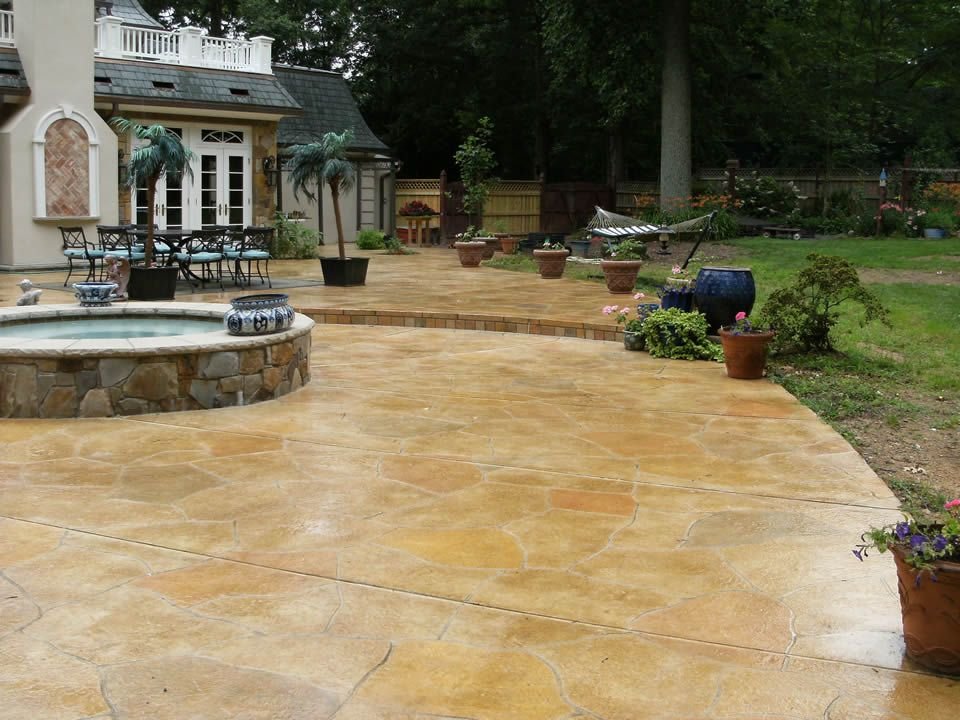
Stamped concrete can look like slate, brick, or wood for decades. But that rich color only stays bright when the surface is sealed the right way, and resealed on time.
If your patio or driveway looks dull, chalky, or patchy, the color usually isn’t gone. The sealer protecting it has worn thin. The good news is that a fresh coat, applied correctly, can bring most surfaces back to life.
In this guide, you’ll learn what sealer does, how to tell when it’s time to reseal, how to pick the right product, and the step-by-step method pros use to avoid cloudy or peeling results in Georgia’s heat and humidity.
What Is Stamped Concrete (and Why Does It Need Sealer)?
If you’re asking what is stamped concrete, here’s the short answer: it is regular poured concrete that is colored, then pressed with textured mats while still soft. The result looks like stone, brick, tile, or wood, without the cost or upkeep of those materials.
Most stamped concrete gets its color in layers:
- Integral color is mixed into the concrete before the pour, so the color runs all the way through.
- Color hardener may be broadcast on the surface for a deeper, more vivid base tone.
- Release agent is a contrasting powder or liquid that keeps the stamps from sticking. It settles into the grout lines and texture, adding the “aged” two-tone look.
That top layer of release color is the most delicate part. Without sealer, sun, rain, foot traffic, and tires slowly wear it away. A good sealer locks those colors in, deepens them, and blocks water, stains, and UV.
5 Signs Your Stamped Concrete Needs Resealing
Don’t wait until the color is badly faded. Watch for these early warning signs:
- Water soaks in instead of beading. Sprinkle some water on the surface. If it darkens the concrete and disappears quickly, the sealer is no longer protecting it.
- Colors look dull or chalky. A faded, washed-out look usually means the sealer has broken down.
- The sheen is gone. If your surface was glossy and now looks flat, especially in high-traffic paths, it’s time.
- It feels rough or gritty. A smooth sealed surface turning porous means the protective film has worn off.
- Stains set in quickly. Oil, leaves, red clay, and rust soak in faster when the sealer is thin.
How Often Should You Seal Stamped Concrete?
According to stamped concrete typically needs resealing every 2 to 5 years, depending on traffic, climate, and the sealer used before. Very busy surfaces in harsh conditions may need it every year.
| Surface | Typical reseal timing | Why |
| Covered or shaded patio | Every 3 to 5 years | Less sun and rain exposure |
| Open, sunny patio | Every 2 to 3 years | Strong UV breaks down sealer faster |
| Pool deck | Every 1 to 3 years | Pool water, chemicals, and constant foot traffic |
| Stamp concrete driveway | Every 2 to 3 years | Hot tires, oil drips, and vehicle weight |
| Walkways and entries | Every 2 to 3 years | Heavy daily foot traffic |
Ranges are general guidance. The water test is the most reliable way to know when your surface is ready.
New concrete note: Most sealer manufacturers want new concrete to cure first. ConcreteNetwork.com notes a common wait of about 28 days, unless the product label says otherwise.
Choosing the Right Sealer for Stamped Concrete
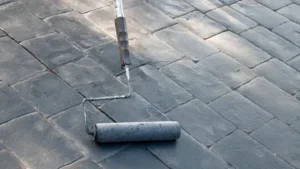
Not every sealer is right for decorative concrete. Here is a simple comparison:
| Sealer type | Look | Best for | Things to know |
| Solvent-based acrylic | Wet look, deep color | Most outdoor patios and driveways | Most popular choice; brings out color the most |
| Water-based acrylic | Lower sheen, natural look | Homeowners who want less odor | Sensitive to cool temps and high humidity during application |
| Penetrating sealer | Natural, little to no color change | Surfaces where gloss isn’t wanted | Protects from water but won’t “pop” color |
| Polyurethane or epoxy coatings | High gloss, tough film | Garages, high-wear areas | More stain resistance; check if rated for outdoor UV |
For most stamped concrete designs outdoors, a quality acrylic sealer is the standard. ConcreteNetwork.com calls acrylics the most common choice because they are easy to apply, cost-effective, and protect against water and wear.
Pro tip: Stick with the same type of sealer that’s already on your surface. Mixing incompatible products is a common cause of peeling and cloudy patches.
How to Seal Stamped Concrete: Step-by-Step
Sealing looks simple, but small mistakes cause most of the problems homeowners see. Follow this process:
Step 1: Clean Thoroughly
Sweep away debris, then wash the surface. A pressure washer or surface cleaner removes dirt, pollen, and mildew from deep in the texture. Treat oil spots and rust stains before you seal, or the sealer will lock them in.
Step 2: Let It Dry Completely
This is the step people rush. ConcreteNetwork.com recommends letting the concrete dry for about 24 hours after washing. Trapped moisture is a leading cause of whitening and peeling.
Step 3: Check the Weather
Pick a dry day with no rain in the forecast for at least 24 hours. Avoid sealing in direct midday sun. Euclid Chemical explains that heat and sun can make sealer “skin over” too fast, trapping air and causing bubbles. Early morning or late afternoon works best in Georgia summers.
Step 4: Apply Two Thin Coats
Use a sprayer, then back-roll right away to push sealer into the texture and stop puddles in the low spots. Two thin coats beat one thick coat every time. Heavy coats trap moisture and air, which leads to a cloudy finish.
Step 5: Add Slip Resistance Where Needed
High-gloss sealers get slick when wet. For pool decks, steps, and walkways, mix a non-slip additive into the final coat.
Step 6: Give It Time to Cure
Keep foot traffic off for at least 12 hours and vehicles off for 48 to 72 hours, per ConcreteNetwork.com. Always follow the product label for exact times.
Common Sealer Problems and How to Fix Them
Even good sealers can fail if applied in the wrong conditions. Here are the issues we see most:
- White or cloudy patches (blushing): Usually caused by moisture trapped under solvent-based sealer, or by water-based sealer applied in cool or humid weather. Light cases can often be corrected by a pro; severe cases may need stripping.
- Bubbles: Sealer applied too thick or in hot, direct sun. Apply thinner coats in cooler parts of the day.
- Peeling or flaking: Too many coats built up over time, or sealer applied over a damp surface.
- Dark or blotchy look: Film-forming sealers naturally darken concrete. Test a small hidden area first if you’re unsure about the final color.
If your stamped concrete already has these problems, it’s often best to have a professional assess it. Adding more sealer on top of a failing coat usually makes it worse.
Georgia Climate Tips for Keeping Stamped Concrete Colors Bright
Atlanta’s weather is tough on decorative concrete. Keep these local factors in mind:
- Strong summer sun: UV is the main reason sealer breaks down and colors fade. Open, south-facing patios need resealing more often than shaded ones.
- Heat and humidity: Muggy days make water-based sealers more likely to turn white. Seal on a dry day with lower humidity.
- Spring pollen: Heavy pollen settles into stamped patterns and can stain. Rinse it off regularly in spring and wash before you reseal.
- Red clay: Georgia clay leaves rust-orange stains that soak into unsealed concrete. A healthy sealer coat keeps it on the surface so it washes away.
- Sudden storms: Plan sealing around the forecast. Rain on fresh sealer can cause cloudy spots.
Maintenance Tips Between Sealings
A few easy habits help your sealer, and your colors, last longer:
- Sweep weekly so grit doesn’t wear down the sealer.
- Rinse with a garden hose and a mild pH-neutral soap a few times a year.
- Clean up oil, grease, and leaves quickly before they stain.
- Avoid harsh acids and strong chemicals that eat through sealer.
- Use furniture pads under grills, chairs, and planters.
- Skip metal-blade shovels in winter; a plastic shovel is gentler on the surface.
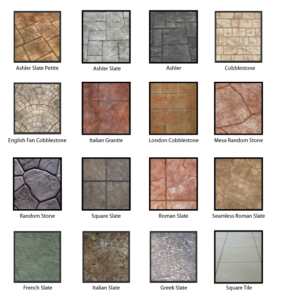
These steps protect all types of stamped concrete patterns, from ashlar slate to wood plank and cobblestone.
DIY Sealing vs. Hiring a Pro
Many homeowners can reseal a small patio themselves. But a professional is the better choice when:
- Your surface has whitening, peeling, or bubbling from a past coat.
- You’re sealing a large stamp concrete driveway or pool deck.
- The color has faded badly and needs a recolor or tint before sealing.
- You aren’t sure what sealer is already on the surface.
A pro can also spot cracks, drainage issues, or worn areas before they get worse. If you’re planning a new pour or a refresh, our Stamped Concrete Patio guide shows what’s possible for Atlanta backyards.
Working with Trusted Concrete Contractors in Atlanta, GA means the job is done with the right product, at the right time, for local weather.
Frequently Asked Questions About Stamped Concrete Sealer
What is the best sealer for stamped concrete?
For most outdoor stamped concrete, a quality solvent-based acrylic sealer is the most popular choice. It deepens color, adds a wet look, and protects against water and UV.
How often should I reseal a stamp concrete driveway?
Most driveways need resealing every 2 to 3 years. Hot tires, oil, and vehicle weight wear sealer down faster than foot traffic does.
Why did my stamped concrete sealer turn white?
Whitening, or blushing, is usually caused by trapped moisture or sealing in cool, humid weather. Thin coats on a fully dry surface help prevent it.
Can sealer restore faded stamped concrete?
Often, yes. A fresh wet-look sealer can bring back much of the original color. If the color is badly worn, a pro may apply a tint or stain before sealing.
Does sealer make stamped concrete slippery?
Glossy sealers can be slick when wet. Adding a non-slip additive to the final coat makes pool decks, steps, and walkways safer.
Keep Your Stamped Concrete Looking Like New
Fresh, vivid color doesn’t happen by accident. Clean well, let the surface dry, seal in the right weather, use thin coats, and reseal before the water test fails. Those steps keep your stamped concrete designs looking sharp for years.
At Big D’s Concrete LLC, we install, repair, and reseal stamped and stained concrete for homeowners and businesses in Atlanta, Mableton, Hiram, Austell, Dallas, and nearby communities. We’re licensed and insured, with 7 years of experience serving Georgia properties.
Looking for experienced Concrete Contractors in GA? Call Big D’s Concrete LLC at (404) 581-2903 for your free estimate, and let’s bring your stamped concrete colors back to life.