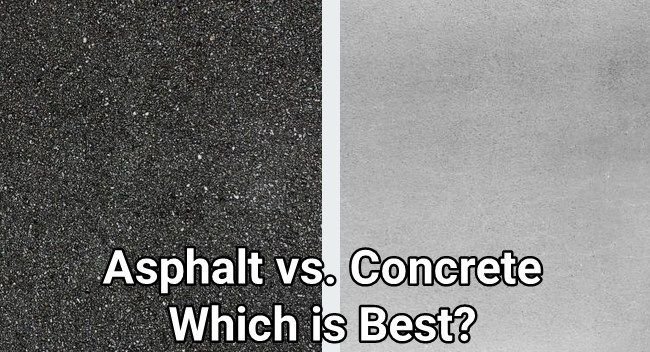
Picking the right driveway material is a huge decision for homeowners and businesses all across Georgia. Things like the Georgia climate and soil conditions plus maintenance expectations and long term costs all play a part.
The debate around a concrete vs asphalt driveway Georgia is especially important because the local heat and humidity plus occasional freeze thaw effect cycles can dramatically change how a driveway performs. Understanding concrete vs asphalt driveway differences helps homeowners choose the right long-term solution.
This guide is designed to help you clearly see the differences so you can make a confident and informed choice. With decades of hands on experience the team at Big Ds Concrete LLC works with Georgia property owners every day to install driveways that are built for real local conditions instead of just generic ideas.
Concrete vs Asphalt Driveway in Georgia Climate Conditions
Georgia deals with long and hot summers plus high humidity and heavy rainfall along with occasional winter cold snaps. These factors directly influence driveway longevity.When comparing concrete vs asphalt driveway options in Georgia, climate plays a major role in performance.
Any driveway material comparison Georgia must start with how surfaces respond to heat expansion and moisture penetration plus temperature shifts. Extended summer heat can soften asphalt while humidity allows moisture to seep beneath poorly installed surfaces.
In winter even limited freezing can cause expansion and contraction beneath the driveway. The Georgia weather impact on driveways is one of the biggest reasons material selection matters so much in this region.
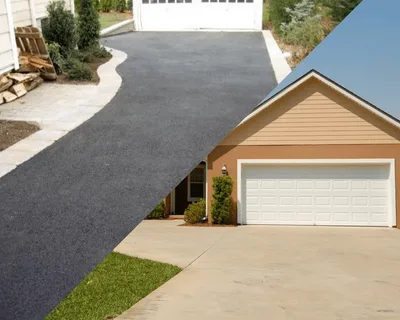
Concrete Driveways in Georgia: Strength and Stability
Concrete is widely known for its durability and structural strength. When properly installed a concrete driveway performs exceptionally well in hot climates.
High heat resistance is one of the biggest advantages for a concrete driveway in Georgia where summer temperatures can push materials to their limits. Concrete does not soften under heat the way asphalt does.
This makes it particularly suitable for driveways that see heavy vehicle traffic or frequent parking in direct sunlight. From a structural perspective concrete resists rutting and sinking plus surface deformation better than most alternatives.
Another important factor is the lifespan of concrete driveway Georgia conditions often see it exceed 30 years when installed correctly and maintained with periodic sealing. This long term performance makes concrete appealing to property owners who prefer a one time investment over frequent repairs.
Concrete vs Asphalt Driveway in Georgia Climate Conditions
Asphalt remains a popular option due to its lower upfront cost and quicker installation time. When evaluating asphalt vs concrete driveway cost Georgia asphalt typically comes out as the more budget friendly initial choice.
The flexibility of asphalt allows it to expand and contract with temperature changes which can be beneficial in regions with frequent freeze thaw cycles. However the Georgia climate presents a different challenge. Asphalt driveway performance in hot climate conditions can be problematic because prolonged heat softens the surface which makes it more vulnerable to tire marks and oil stains plus surface wear.
In terms of longevity the lifespan of asphalt driveway Georgia averages between 15 and 20 years assuming regular maintenance. This shorter lifespan is important to consider when comparing long term value.
Concrete vs Asphalt Driveway Cost Comparison in Georgia
When deciding between materials many homeowners focus first on the price tag. Asphalt generally costs less to install initially which makes it attractive for large driveways or tight budgets. However which driveway lasts longer in Georgia conditions must be factored into the equation.
Concrete typically costs more upfront but it requires fewer repairs and less frequent resurfacing. Over time concrete often proves to be more cost effective because it avoids the repeated maintenance cycles associated with asphalt. A proper driveway material comparison Georgia should consider not just installation cost but the total lifetime expense.
Concrete vs Asphalt Driveway Maintenance Requirements
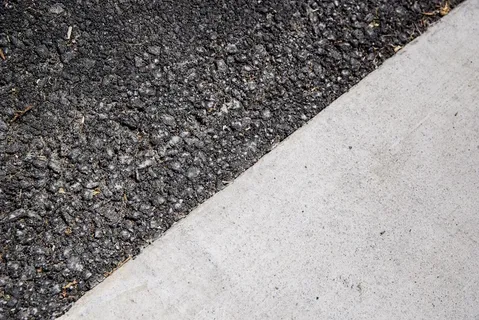
Maintenance is a key difference between these two materials. The maintenance requirements for concrete are relatively minimal. Occasional sealing and basic cleaning are usually enough to maintain appearance and performance. The concrete vs asphalt driveway cost difference becomes clear when considering long-term maintenance
Concrete does not require regular resurfacing and small cracks are often cosmetic rather than structural. On the other hand the repair frequency for asphalt is much higher. Asphalt requires periodic sealcoating to protect against moisture and UV damage. Cracks must be addressed quickly to prevent water infiltration which can lead to base failure. In the humid Georgia climate neglected asphalt deteriorates much faster.
Durability and Cracking Behavior
Cracking is a concern for any driveway material. Overall durability depends heavily on installation quality and environmental exposure. Concrete tends to crack in a more predictable way often forming hairline cracks that do not compromise structural integrity. In terms of lifespan, concrete vs asphalt driveway performance varies significantly in Georgia weather.
Asphalt is more flexible but more susceptible to surface degradation. Heat softening combined with moisture intrusion increases the risk of cracking and potholes plus edge breakdown. The climate in Georgia amplifies these issues especially in high traffic or poorly drained areas.
Drainage Performance and Moisture Resistance
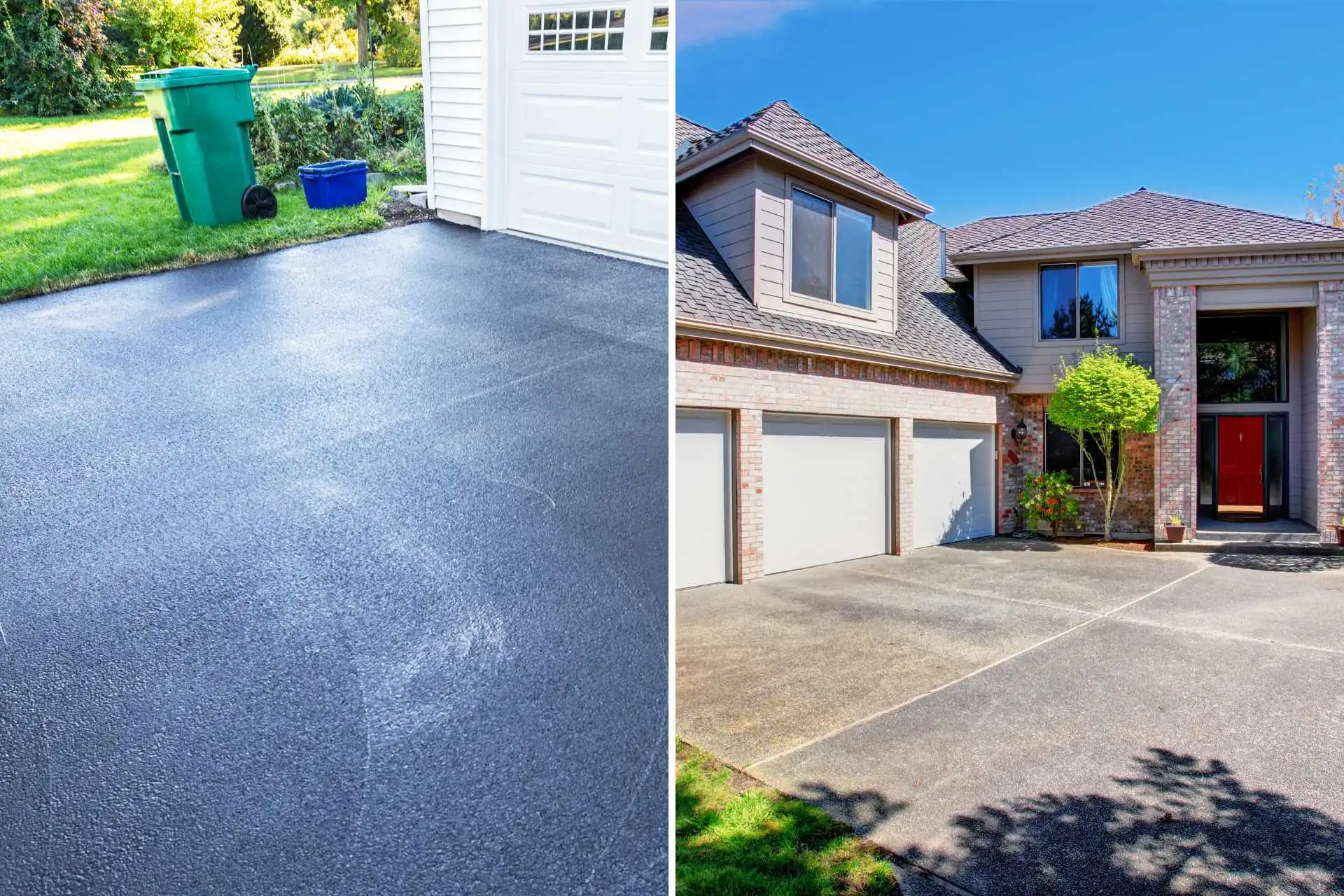
Proper drainage is essential regardless of material choice. Surface drainage driveway materials must direct water away from both the driveway and the foundation beneath it. Maintenance needs differ greatly in concrete vs asphalt driveway installations.
Concrete driveways are typically installed with precise grading that allows water to run off efficiently. Asphalt while water resistant on the surface can allow moisture penetration through cracks and seams. Once water reaches the base it accelerates deterioration. In the rainy seasons of Georgia this difference becomes especially noticeable.
Freeze Thaw Effects in Georgia
Although Georgia does not experience harsh winters, occasional freezing temperatures still matter. The freeze thaw effect on asphalt Georgia driveways can lead to cracking when water penetrates the surface and expands as it freezes.
Concrete is less affected by limited freeze thaw cycles when installed correctly with proper joints and curing. This gives concrete an edge in areas of Georgia that experience occasional winter cold snaps.
Aesthetic Considerations and Property Value
Appearance plays a big role for both residential and commercial properties. Concrete offers more customization options including stamped finishes and exposed aggregate plus decorative coloring. These features can significantly enhance curb appeal.
Asphalt provides a clean and uniform look but offers fewer customization options. Over time fading and patch repairs can impact appearance. For property owners focused on long term visual appeal, concrete often aligns better with aesthetic goals.
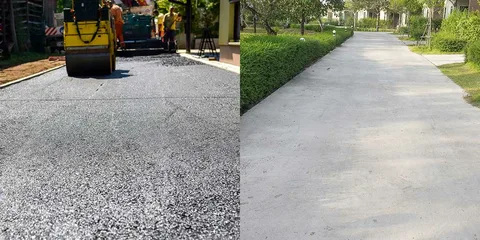
Which Driveway Material Is Best for Georgia?
The best driveway material for Georgia depends on your priorities. If you are looking for long term durability and minimal maintenance plus superior heat resistance then concrete is often the better choice.
If lower upfront cost and faster installation are the main concerns, asphalt may still be suitable provided you are prepared for ongoing maintenance. For high traffic driveways and commercial properties plus homeowners planning to stay long term concrete typically offers better overall value. Asphalt may be better suited for temporary solutions or budget focused projects.
Concrete vs Asphalt Driveway: Which Is Better for Georgia Homes
The decision between concrete and asphalt is not just about cost or appearance. It is about how each material performs under the unique environmental conditions in Georgia. Choosing between concrete vs asphalt driveway depends on budget, durability, and climate.
Understanding the realities of a concrete vs asphalt driveway Georgia helps you avoid costly mistakes and ensures your driveway remains functional and attractive for years to come. By considering the climate and maintenance plus durability and long term value you can choose a driveway solution that truly fits your property’s needs. Working with experienced professionals ensures the material you choose is installed correctly and built to last.
Frequently Asked Questions
Which driveway lasts longer in Georgia?
Concrete typically lasts longer in Georgia often exceeding 30 years while asphalt usually lasts 15 to 20 years with proper maintenance.
Is asphalt a bad choice for hot climates like Georgia?
Asphalt is not a bad choice but prolonged heat can soften it which increases maintenance needs and surface wear compared to concrete.
Does concrete crack more than asphalt?
Concrete can develop hairline cracks but they are usually cosmetic. Asphalt cracks more frequently and requires faster repairs to prevent damage.
Which driveway material adds more property value?
Concrete generally adds more long term value due to its durability and lower maintenance needs plus enhanced curb appeal.