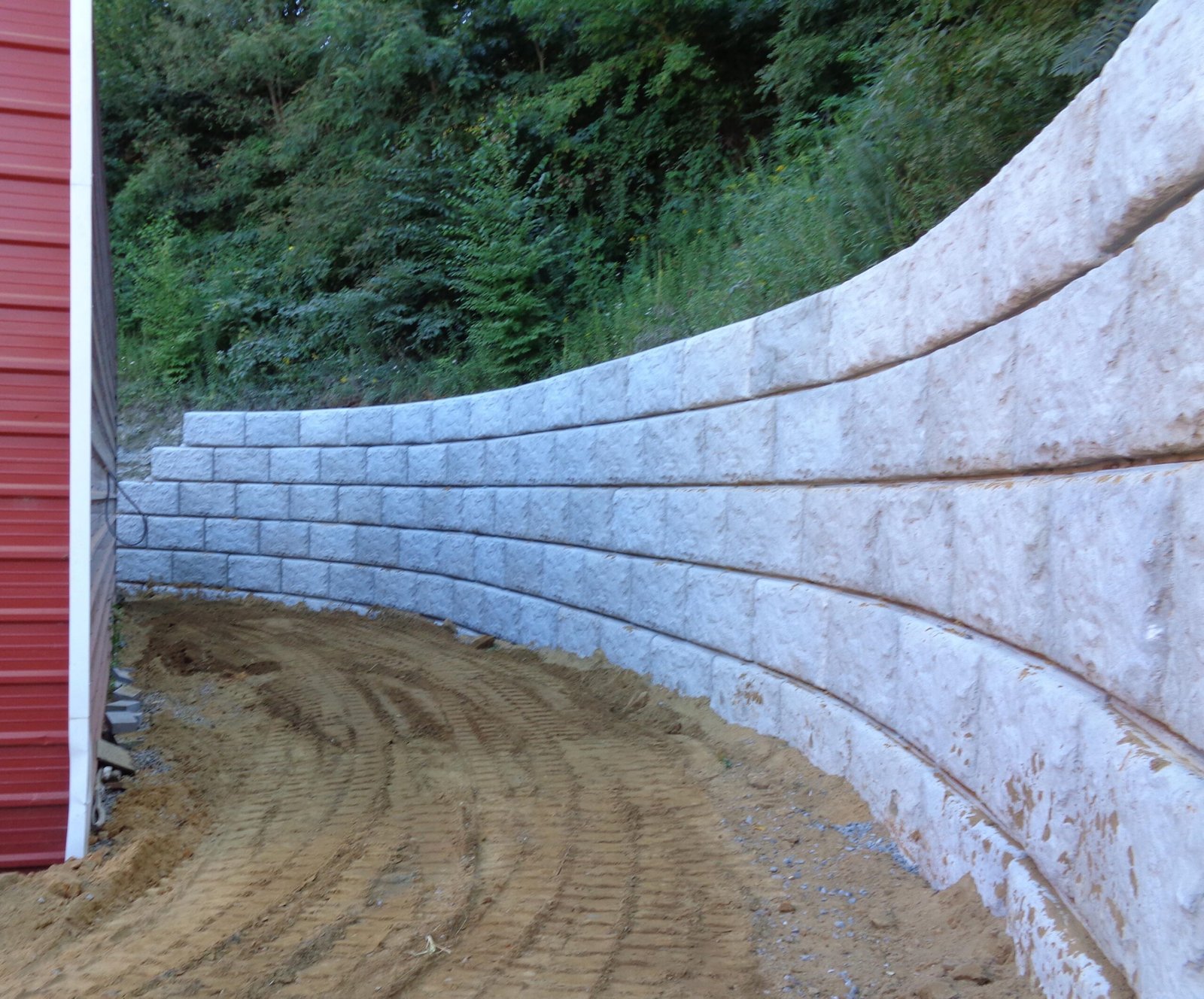
Landscaping in Mableton, GA often involves managing slopes and uneven terrain, and retaining walls are an essential tool for this purpose. Concrete retaining walls provide a strong and durable solution to prevent soil erosion, manage water runoff, and create level spaces for gardens, patios, or outdoor living areas.
Besides their functional benefits, these walls also enhance the appearance of a property by adding structure and definition to the landscape.
Understanding the purpose and advantages of concrete retaining walls can help homeowners and businesses make informed decisions for long-lasting and effective outdoor spaces. This is why Big D’s Concrete helps homeowners and businesses in Mableton design and build reliable retaining concrete walls so that they can protect their property, improve drainage, and create stable, usable outdoor spaces.
What Are Retaining Walls?
Retaining walls are structures designed to hold back soil and prevent erosion on sloped or uneven terrain in residential and commercial properties. They create level areas that can be used for gardens, patios, driveways, or other outdoor spaces.
By stabilizing the land, retaining walls protect properties from soil movement and water damage. These walls can be made from various materials, including concrete, stone, or wood, but concrete is often preferred for its strength and durability.
Retaining walls also add structure and definition to a landscape, helping to organize and enhance outdoor spaces.

Why Choose Concrete for Retaining Walls
Concrete offers several advantages that make it a preferred material for retaining walls:
- It is durable and can withstand harsh weather conditions, fire, and pests.
- It provides exceptional strength, holding back large amounts of soil without bowing or collapsing.
- It is low-maintenance, requiring minimal upkeep over time.
- Modern concrete can be customized with textures, colors, and shapes to match the style of a property.
For Mableton landscapes, where rainfall and hilly terrain are common, these benefits ensure that concrete walls remain functional and attractive for years.
Types of Concrete Retaining Walls
Concrete retaining walls come in different types, each designed to meet specific landscaping and structural needs. Selecting the right type ensures stability and long-term performance.
Gravity Walls
Gravity walls rely on their own weight to resist the pressure of the soil behind them. They are usually made from solid concrete blocks or poured concrete and are most suitable for shorter walls or minor slopes.
These walls are simple to construct and require a wide base to maintain stability.
Cantilever Walls
Cantilever walls use a reinforced concrete base to counteract lateral soil pressure. This design allows the wall to handle taller heights and heavier soil loads. Reinforcement is embedded in the concrete, making cantilever walls stronger while using less material than gravity walls.
Anchored Walls
Anchored walls are reinforced with cables, rods, or other anchoring systems that extend into the soil behind the wall. They are typically used in situations with high lateral pressure or deep excavations where extra support is necessary.
Mechanically Stabilized Earth (MSE) Walls
MSE walls combine layers of reinforced soil with embedded geogrids or steel strips to create a stable structure. This type of wall is flexible, cost-effective, and commonly used for large-scale projects like highway embankments, bridge abutments, or very tall retaining walls.
Structural and Engineering Considerations
Before installing a retaining wall, understanding structural requirements is critical for stability and longevity. Key considerations include:
- Soil and Slope: The type of soil and angle of the slope affect how much pressure the wall must withstand.
- Drainage: Proper drainage solutions, such as weep holes or perforated pipes, prevent water buildup that could compromise the wall.
- Load-Bearing Capacity: Walls must resist lateral pressure from soil and any additional weight from nearby structures or vehicles.
- Reinforcement: For taller walls, reinforced or anchored designs may be necessary to ensure safety and durability.
Proper planning during this phase reduces the risk of cracks, bulging, or structural failure over time.

Design Flexibility and Aesthetic Benefits
Concrete retaining walls are not only functional but also offer aesthetic opportunities for enhancing a property.
Homeowners can choose from a variety of designs:
- Curved or straight walls, depending on the landscape layout.
- Smooth, stamped, or textured finishes to complement property style.
- Multi-level terraces or tiered walls for creating planting areas or seating zones.
Additional features such as built-in benches, pathways, or integrated lighting can further improve usability and visual appeal. By combining form and function, concrete walls can transform a simple slope into a key feature of the landscape.
Environmental Impact
Concrete retaining walls can have a positive environmental impact when designed thoughtfully. By preventing soil erosion, they protect the surrounding land and waterways from sediment runoff, which can harm local ecosystems.
Properly constructed walls also improve water management by directing rainfall away from foundations and reducing surface flooding. Additionally, retaining walls can support plant life through terraces, ledges, or planter areas, creating small habitats for pollinators and other wildlife.
Using recycled or eco-friendly concrete materials further reduces the environmental footprint, making retaining walls a sustainable choice for landscaping in Mableton, GA.
Build Retaining Concrete Walls with Big D’s Concrete
If you are planning to install a concrete retaining wall in Mableton, GA, working with experienced professionals makes a difference. Big D’s Concrete specializes in building strong, durable retaining concrete walls designed to handle local soil conditions and terrain.
Whether your goal is erosion control, improved drainage, or creating usable outdoor space, our team delivers reliable solutions built to last. Contact Big D’s Concrete today to discuss your project and take the first step toward a safer, well-structured, and visually appealing landscape.
Frequently Asked Questions (FAQs):
1. What is the main purpose of a retaining wall?
The main purpose of a retaining wall is to hold back soil and prevent erosion on sloped land. It also helps create level, usable outdoor spaces.
2. Why are concrete retaining walls popular in Mableton, GA?
Concrete retaining walls are popular because they are strong, durable, and long-lasting. They perform well in areas with heavy rainfall and uneven terrain.
3. How long do concrete retaining walls last?
Concrete retaining walls can last several decades when properly designed and installed. They require minimal maintenance compared to wood or stone walls.
4. Do retaining walls help with drainage issues?
Yes, retaining walls help manage water runoff by directing water away from foundations. Proper drainage systems prevent water buildup behind the wall.
5. Are concrete retaining walls customizable?
Concrete retaining walls can be customized with different textures, colors, and shapes. This allows them to match the style of a home or landscape.
6. When should a retaining wall be professionally installed?
Professional installation is recommended for tall walls or areas with heavy soil pressure. This ensures proper drainage, reinforcement, and long-term stability.
7. Can retaining walls improve property value?
Yes, retaining walls can improve property value by enhancing both functionality and appearance. They create usable space while protecting the landscape from erosion.