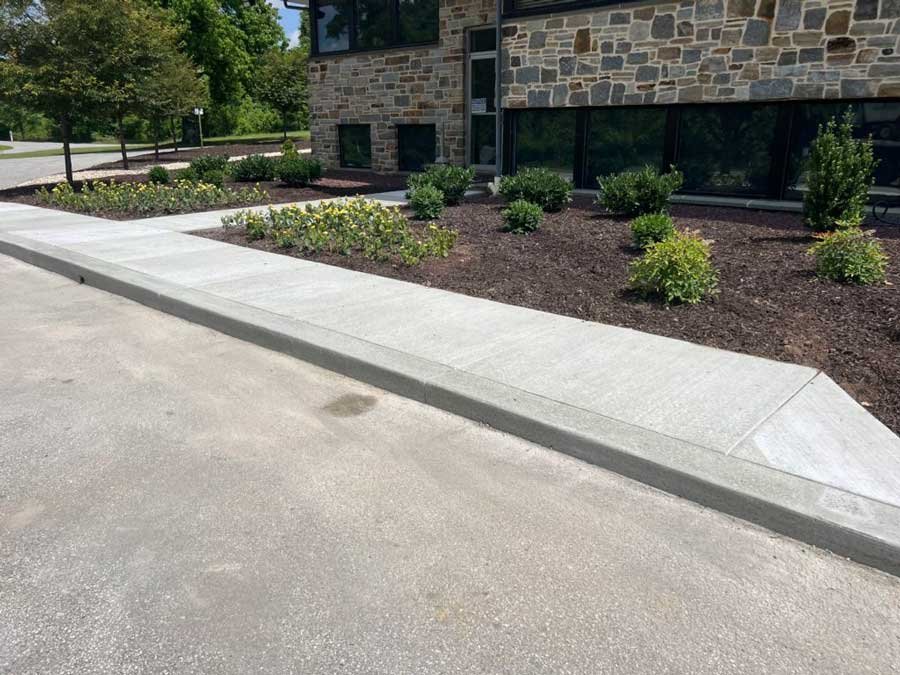
Constructing commercial walkways is an important part of designing any business property in Pearson, GA. Well-built walkways provide safe and convenient access for employees, customers, and visitors while enhancing the overall appearance of the property.
Proper planning, material selection, and construction methods can prevent safety hazards, reduce maintenance costs, and ensure durability over time. Whether you are building a new walkway or upgrading an existing one, Big D’s Concrete can provide professional commercial walkway construction services to help you achieve a safe and long-lasting result.
1. Understand Local Regulations and Permits
Before beginning construction of commercial walkways, it is crucial to be familiar with Pearson, GA’s local building codes, zoning regulations, and safety requirements. Some projects may require specific permits, inspections, or approvals from the city or county.
Failing to follow these rules can result in fines, project delays, or the need for costly rework.
Hiring local professionals who understand local regulations ensures your walkway is compliant, passes inspections, and avoids unnecessary issues during and after construction.
2. Choose the Right Materials
Selecting the appropriate material for your commercial walkway impacts both performance and visual appeal. Options like concrete, asphalt, pavers, or stamped concrete offer different advantages in terms of durability, maintenance, and aesthetics.
For example, concrete provides long-lasting strength with low maintenance, while pavers allow flexible design patterns and easy repairs.
Evaluating factors like foot traffic, weather conditions, budget, and maintenance expectations will help you make the best choice for a walkway that lasts for years.
3. Plan for Accessibility and Safety
Walkways must be safe for all users, including employees, customers, and individuals with disabilities. Following ADA guidelines ensures the walkway is accessible, with smooth surfaces, proper slopes, ramps where necessary, and enough width for easy movement.
Additional safety features such as non-slip surfaces, proper lighting, and clear signage reduce the risk of slips, trips, and falls. Prioritizing accessibility and safety not only protects visitors but also supports compliance with legal standards and creates a welcoming environment.
4. Consider Drainage and Weather Conditions
Effective drainage is essential to prevent water accumulation, erosion, and damage to your walkway over time. When planning the construction of commercial walkways, consider the local climate, including rainfall patterns, temperature fluctuations, and potential freezing conditions.
Proper grading, sloping, and the use of permeable materials can help manage water runoff, reduce maintenance costs, and extend the lifespan of the walkway. Accounting for these factors ensures the path remains safe, functional, and durable in all weather conditions.
5. Focus on Design and Aesthetics
A commercial walkway should complement the overall appearance of your property. Design elements such as patterns, textures, colors, and landscaping features can enhance curb appeal and create a professional, inviting look.
Thoughtful design can also improve navigation, highlight entrances, and blend seamlessly with surrounding structures. Investing in attractive and functional walkway design not only benefits your business image but also contributes to a positive experience for visitors and employees.
6. Budgeting and Long-Term Maintenance
Planning a budget for the construction of commercial walkways goes beyond just the initial installation costs. It’s important to account for long-term maintenance, including periodic cleaning, sealing, repairs, and replacement of damaged sections.
Choosing durable materials and proper construction techniques can significantly reduce maintenance needs and expenses over time. A well-planned budget ensures that your walkway project stays within financial limits while providing a lasting and cost-effective solution for your property.
7. Hire Experienced Professionals
Constructing a commercial walkway requires skill, knowledge, and proper equipment. Hiring licensed professionals ensures the project is completed safely, efficiently, and to a high standard.
Experienced contractors can handle every aspect of the process, including design, material selection, grading, installation, and finishing touches. Working with professionals reduces the risk of mistakes, improves the overall quality of the walkway, and ensures a durable structure that meets both functional and aesthetic requirements.

8. Plan for Future Use and Expansion
When designing a walkway, it’s important to consider how the space will be used in the future. High-traffic areas may require wider paths or additional features, while potential expansions of the property should be factored into the initial layout.
Planning for future growth helps prevent costly modifications later and ensures the walkway continues to meet the property’s needs. A forward-thinking approach allows you to create a functional, flexible, and long-lasting pathway that supports your business for years to come.
Get Professional Commercial Walkways Construction with Big D’s Concrete, LLC
Ensure your commercial property in Pearson, GA, has safe, durable, and visually appealing commercial walkways with the help of Big D’s Concrete, LLC. Our experienced team provides complete walkway construction services, from planning and material selection to installation and finishing.
We focus on quality, safety, and long-lasting results, so your walkways meet both functional and aesthetic needs. Contact Big D’s Concrete, LLC today to discuss your project and get reliable commercial walkway construction services tailored to your property’s requirements.
Frequently Asked Questions (FAQs)
1. What types of materials can be used for commercial walkways?
Common materials include concrete, asphalt, pavers, and stamped concrete. Each material has different durability, maintenance, and aesthetic options.
2. How long does it take to build a commercial walkway?
The timeline depends on the walkway size, materials, and site conditions. Most projects are completed within a few days to a couple of weeks.
3. Do commercial walkways need special permits?
Many local building codes require permits for commercial walkway construction. It’s important to check with your city or county before starting.
4. How do you ensure a walkway is safe?
Walkways should have smooth surfaces, proper slopes, and non-slip finishes. Adequate lighting and clear pathways also improve safety for everyone.
5. Can commercial walkways be designed to match the property’s appearance?
Yes, different materials, colors, and patterns can be used to complement the building and landscaping. Design choices help create a professional and inviting look.
6. What maintenance is required for commercial walkways?
Regular cleaning, sealing, and occasional repairs keep walkways in good condition. Maintenance requirements vary based on materials and usage.
7. Are commercial walkways accessible for people with disabilities?
Walkways can be designed to meet ADA guidelines, including smooth surfaces, ramps, and proper widths. Accessibility ensures all users can move safely.
8. Can a walkway handle heavy foot traffic?
Yes, walkways can be built to support frequent use depending on materials and construction. Proper planning ensures they remain durable over time.