
Understanding concrete Per Yard pricing is essential for anyone planning a construction project. Whether you are building a driveway, foundation, sidewalk, or commercial slab, concrete is one of the most important materials in construction.
At Big D’s Concrete LLC, we often get asked how much concrete costs per yard and what factors affect the final price. The truth is, the cost is not fixed. It depends on material type, project size, location, and labor requirements.
In this guide, we break down everything you need to know about concrete Per Yard, including updated pricing, cost factors, and how to plan your project efficiently.
What Is a Cubic Yard of Concrete?
Before understanding pricing, it is important to know what a cubic yard actually means in construction.
A cubic yard is a standard measurement used in the industry. It equals:
- 3 feet long
- 3 feet wide
- 3 feet high
- Total volume = 27 cubic feet
This unit is used because concrete is typically delivered in ready-mix trucks that measure output in cubic yards.
Most residential projects require anywhere from 1 to 10+ cubic yards depending on size and thickness.
Understanding this unit helps you estimate concrete Per Yard costs more accurately.
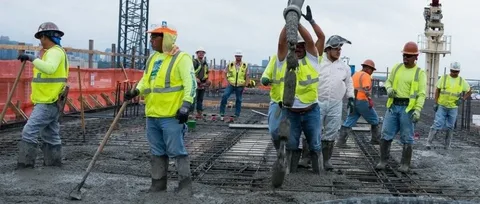
How Is Concrete Per Yard Priced?
The pricing of Concrete Work Contractors in GA is based on multiple production and delivery components.
Typically, the cost includes:
- Raw materials (cement, sand, gravel, water)
- Mixing at batching plants
- Transportation and fuel costs
- Labor and equipment usage
However, final pricing can increase depending on site conditions and project complexity.
For example, if your project requires pumping concrete to a hard-to-reach location, additional equipment charges will apply.
Average Cost of concrete Per Yard in 2026
Concrete pricing has increased in recent years due to inflation, fuel costs, and material demand.
Standard Price Range
- $125 – $175 per cubic yard (standard ready-mix concrete)
This is the most common pricing range for residential and small commercial projects.
Location-Based Differences
- Urban areas: higher demand = higher pricing
- Rural areas: slightly lower rates
- Remote job sites: additional delivery fees
Market Trend Insight
- Previous average: $110–$150 per yard
- Current average: $125–$175 per yard
- Increase reason: fuel, labor, and supply chain costs
Proper budgeting for concrete Per Yard helps avoid unexpected project overruns.
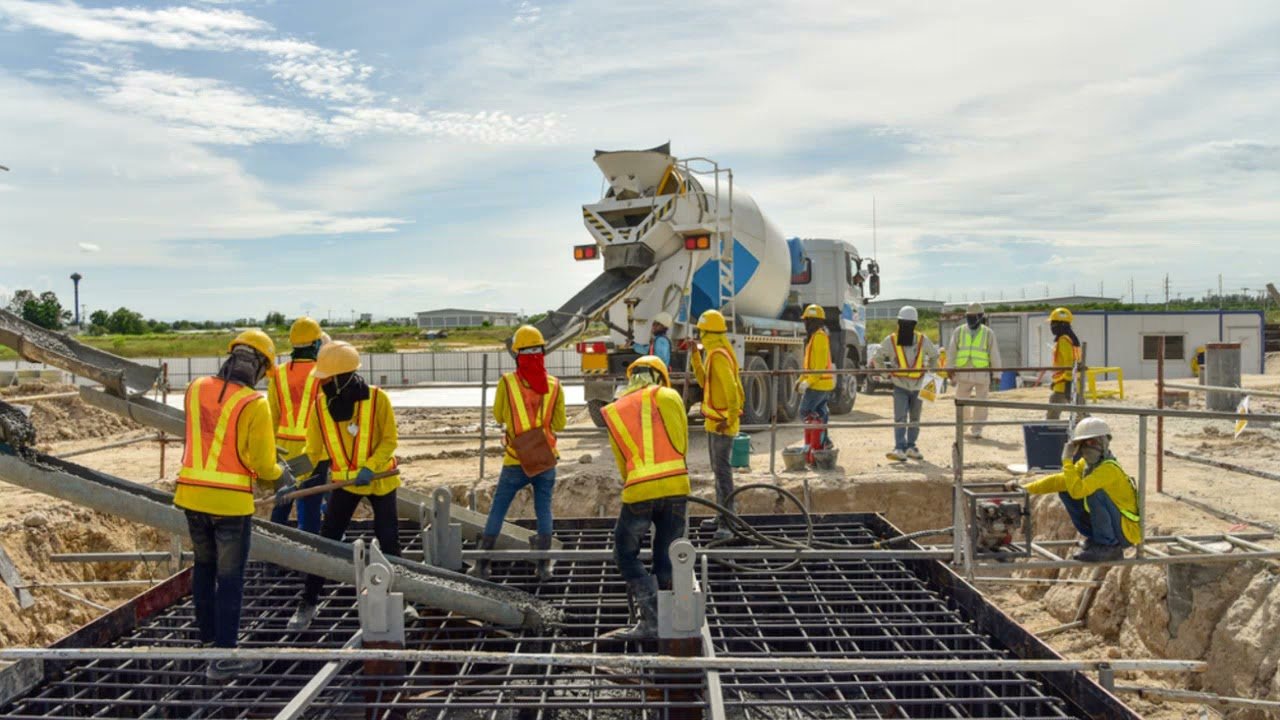
Factors That Affect Concrete Per Yard Cost
Several important factors influence the final price per yard.
1. Type of Concrete
Different mixes come at different costs:
- Standard mix: most affordable option
- Reinforced mix: includes steel for strength
- High-strength mix: used for structural projects
- Decorative concrete: premium finish options
2. Delivery Distance
The farther your job site is, the higher the transportation cost.
3. Order Size
Larger orders often reduce per-yard pricing due to bulk discounts.
4. Site Accessibility
If trucks cannot directly access the site, pump equipment is required, increasing cost.
5. Market Demand
During peak construction seasons, demand increases and prices rise.
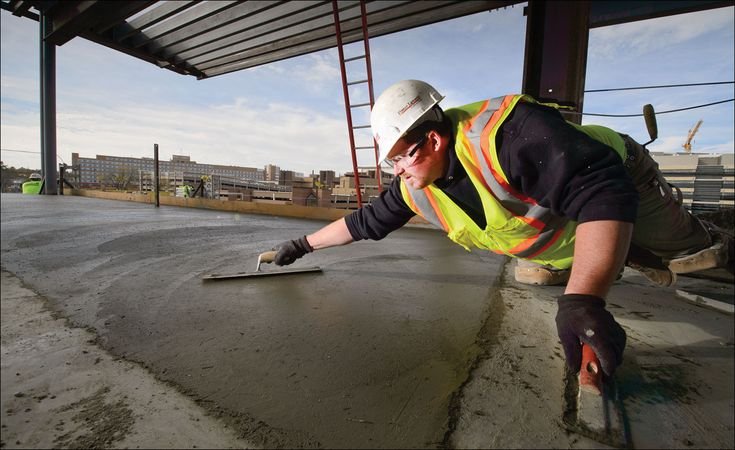
Types of Concrete Used in Projects
Understanding different types of concrete helps you control costs and choose the right material.
Standard Concrete
- Most commonly used
- Suitable for driveways, patios, sidewalks
- Most affordable option
Reinforced Concrete
- Contains steel bars or mesh
- Used for structural strength
- Higher cost per yard
High-Strength Concrete
- Designed for heavy load-bearing structures
- Used in commercial construction
- Premium pricing
Decorative Concrete
- Used for aesthetic finishes
- Includes stamping and coloring
- Highest cost category
Choosing the right type is essential for controlling concrete Per Yard expenses.
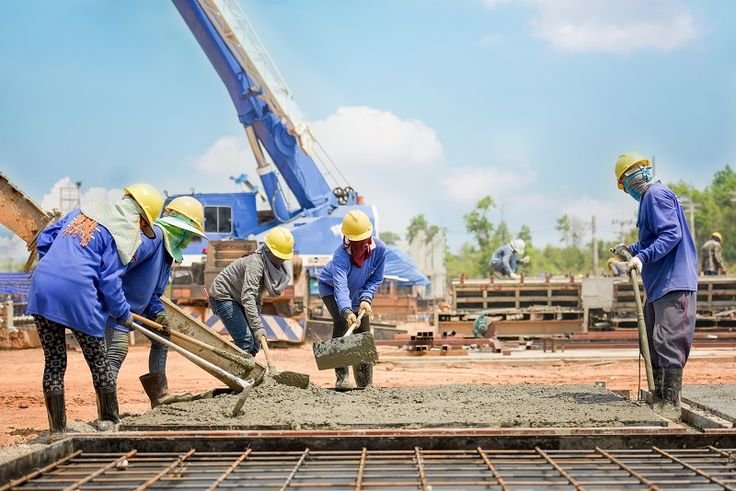
Additional Costs to Consider
Many homeowners only consider material cost, but total pricing includes more.
Labor Costs
- $3 to $10 per square foot depending on complexity
- Includes pouring, leveling, and finishing
Formwork Setup
- Temporary molds for shaping concrete
- Required for most projects
Delivery Fees
- Based on distance and fuel rates
- Higher for remote locations
Equipment Charges
- Pump trucks or special tools
- Required for difficult access areas
Permits and Inspections
- Required in certain cities and counties
- Adds administrative costs
Working With a Concrete Contractor
Hiring a professional Concrete Services In Atlanta, GA ensures the job is done correctly and efficiently.
A professional contractor handles:
- Site preparation
- Concrete mixing and pouring
- Leveling and finishing
- Structural quality checks
Working with an experienced team like Big D’s Concrete LLC helps reduce mistakes and long-term repair costs.
For reliable service, many clients prefer trusted professionals such as a Concrete Contractor who understands local soil conditions and weather impact.
Common Concrete Problems You Should Know
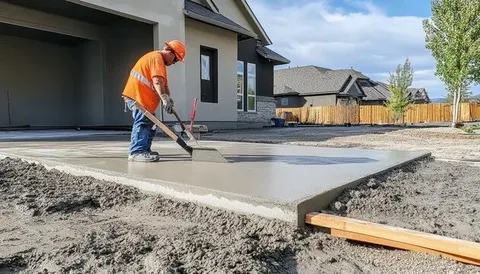
Even high-quality installations can face issues over time. Understanding Common Concrete Problems helps you avoid costly repairs.
Cracking
- Caused by temperature changes or poor installation
- Most common issue in concrete surfaces
Scaling
- Surface flaking due to freeze-thaw cycles
- Often linked to water exposure
Uneven Settling
- Happens when soil beneath is not properly compacted
Discoloration
- Caused by inconsistent mixing or curing conditions
Addressing Common Concrete Problems early prevents structural damage and increases durability.
Concrete Pouring Process Explained
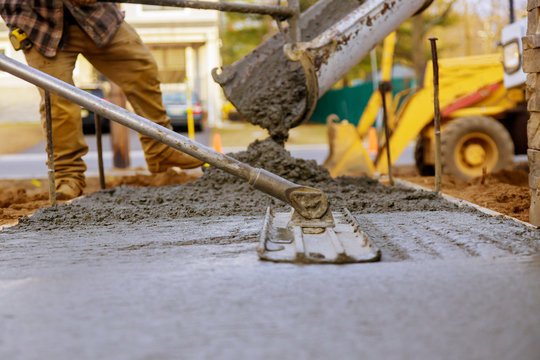
Proper Concrete Pouring is essential for strength and longevity.
Step 1: Site Preparation
- Clearing and leveling the area
- Installing formwork
Step 2: Mixing and Delivery
- Concrete is mixed at plant
- Delivered in ready-mix trucks
Step 3: Pouring the Concrete
- Concrete is poured quickly to avoid hardening
- Workers spread and level it immediately
Step 4: Finishing
- Surface smoothing
- Adding texture if needed
Step 5: Curing
- Concrete must cure for several days
- This ensures maximum strength
Proper Concrete Pouring directly impacts durability and long-term performance.
How to Save Money on Concrete Per Yard
There are several ways to reduce overall project costs.
- Order in bulk for discounts
- Compare multiple suppliers
- Choose standard mix when possible
- Schedule during off-peak seasons
- Prepare site before delivery
Smart planning helps reduce unnecessary expenses.
How to Estimate Concrete Requirements
Accurate estimation prevents waste and shortages.
Formula
Length × Width × Depth = Cubic Feet
Cubic Feet ÷ 27 = Cubic Yards
Example
- 12 ft × 10 ft × 0.5 ft slab
- = 60 cubic feet
- = 2.22 cubic yards
Always add 5–10% extra for safety.
Ordering and Delivery Process
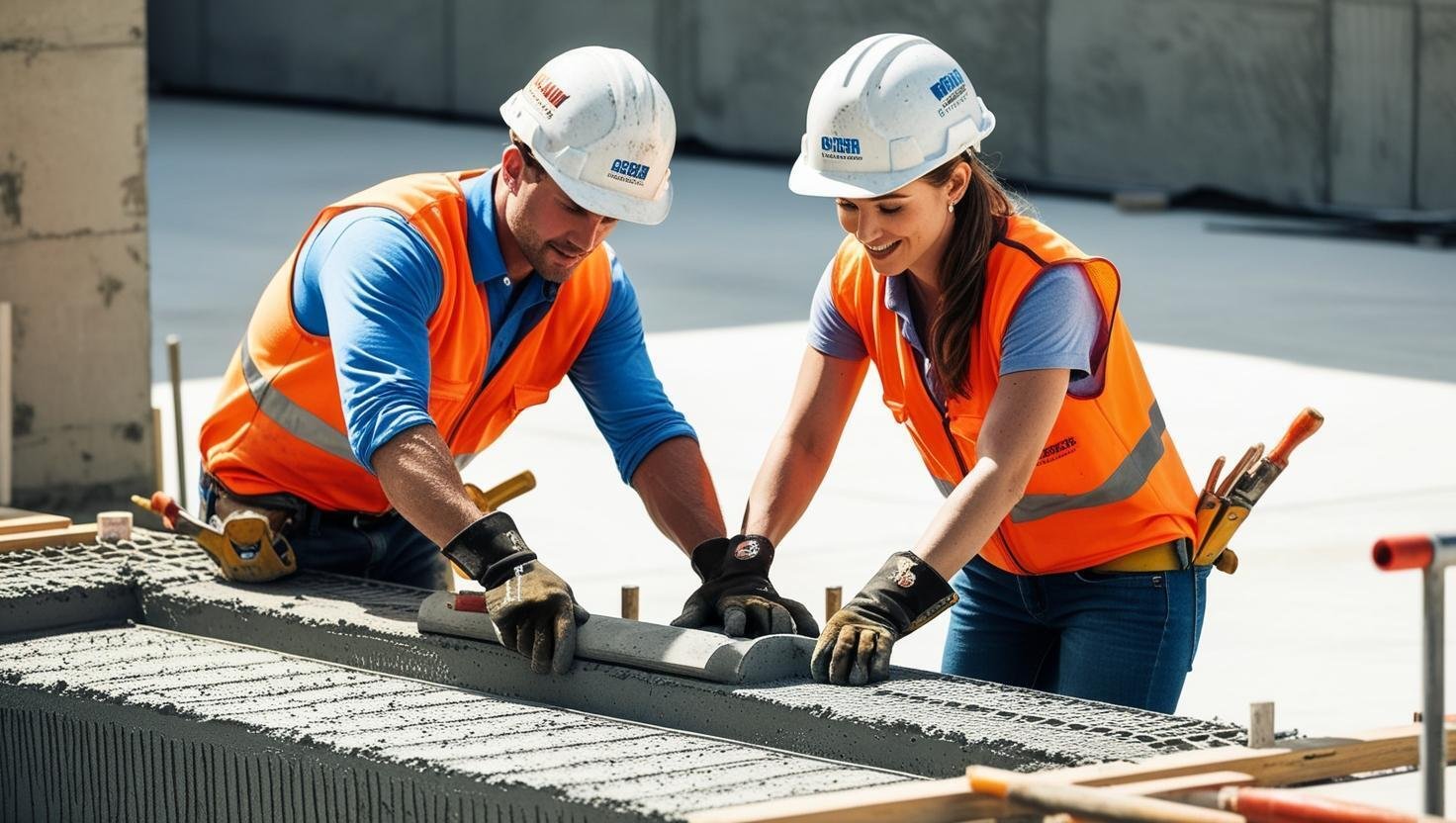
Understanding delivery helps avoid delays.
Step 1: Place Order
Provide:
- Project size
- Concrete type
- Delivery schedule
Step 2: Prepare Site
- Clear access for trucks
- Ensure tools and workers are ready
Step 3: Receive Delivery
Concrete must be poured immediately after arrival.
Delays can affect quality and strength.
Why Professional Help Matters
Working with experts ensures better results and fewer mistakes.
Professional teams handle:
- Accurate mixing
- Proper pouring
- Structural strength control
- Time-efficient execution
At Big D’s Concrete LLC, we ensure every project meets high-quality standards for durability and performance.
Conclusion
Understanding concrete Per Yard pricing is essential for planning any construction project. Costs vary based on material type, labor, delivery, and site conditions.
By working with a trusted Concrete Contractor and planning properly, you can control costs and ensure long-lasting results.
If you’re planning a project and need professional support, Big D’s Concrete LLC is ready to help with reliable service and expert Concrete Pouring solutions. Understanding concrete Per Yard pricing is important for planning any construction project without overspending.
FAQs
What is the average cost of concrete per yard?
Most projects range between $125 and $175 per cubic yard in 2026.
What affects concrete pricing the most?
Material type, delivery distance, and labor are the biggest factors.
How long does concrete take to cure?
Concrete usually takes 24–48 hours to set and up to 28 days to fully cure.
Can I reduce concrete costs?
Yes, ordering in bulk and choosing standard mix can reduce costs significantly.
Final CTA
Need professional help with your next project? Contact Big D’s Concrete LLC today for expert guidance, reliable service, and high-quality results for all your concrete needs.