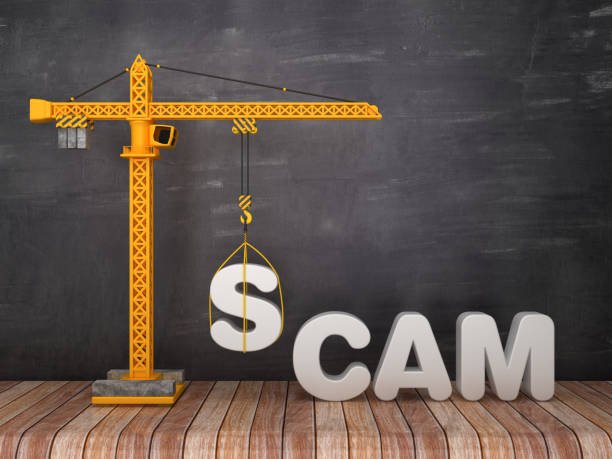
Are you worried about concrete contractor scams when planning your driveway or patio in 2025? You’re not alone. Scammers are still targeting homeowners, especially after storms or during busy construction seasons. They promise quick work and low prices, but often leave people with unfinished projects or poor-quality concrete.
Mrs. Thompson wanted a new driveway after a heavy rain damaged her old one. A man showed up at her door, claiming he had leftover materials and could start today. Excited to fix her driveway fast, she agreed—but the concrete cracked within weeks, and the contractor disappeared. This story could happen to anyone, but it doesn’t have to.
This guide will help you spot concrete contractor scams, avoid them, and hire trusted professionals like Big D’s Concrete, LLC for safe and reliable work.
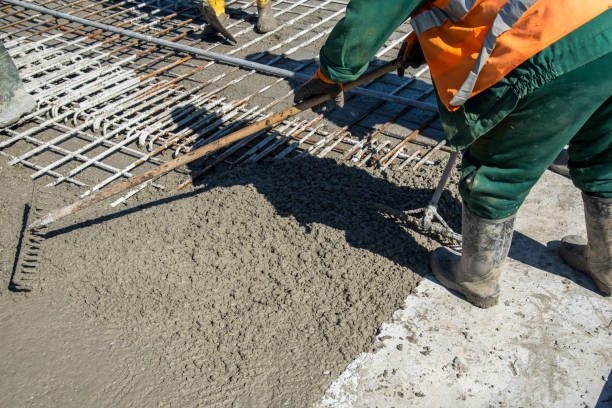
Common Concrete Contractor Scams in 2025
Scammers are creative, and their tricks keep changing. Knowing what to watch for can save you time, money, and stress.
1. Unsolicited Offers & “Leftover Materials” Scam
Have you ever had someone knock on your door saying they have “extra concrete” and can finish your project today? This is a classic scam. Scammers pressure homeowners to hire immediately, hoping you’ll make a quick decision without research. The proverb “Haste makes waste” fits perfectly here.
Using leftover materials may sound cheap, but it often results in weak concrete, cracks, or even structural damage. Your home deserves better, and a reputable company like Big D’s Concrete, LLC never pressures homeowners with “today-only deals.”
2. Large Upfront Payments
Some contractors ask for full payment before starting work. Paying too much up front is risky; you could lose money if the project is never finished.
Think of it like buying a car without test-driving it. Always pay in milestones tied to the work completed, not the promise of completion.
3. The “Multiple Name” Game
Scammers sometimes use different business names to appear legitimate. One day they are “Reliable Concrete Services,” and the next day “Quality Concrete Solutions.”
To avoid this trick, always verify business registration, licensing, and customer reviews. A true professional like Big D’s Concrete, LLC maintains one consistent name and reputation in the community.
4. Falsified Insurance & Licensing
Do you know if your contractor is insured or licensed? Many scammers falsify documents, putting you at risk of liability if accidents occur.
Remember, the saying goes, “Trust, but verify.” Always request proof of insurance and licenses before hiring anyone for your concrete project.
5. “No Permit Needed” Pressure
Some contractors claim you don’t need a permit to save time and money. This can backfire. Without proper permits, your project might violate city codes, leading to fines or even demolition.
A professional team like Big D’s Concrete, LLC follows all local regulations to protect your home and investment.
6. Bait-and-Switch or Lowball Bidding
Ever get a quote that seems too good to be true? It probably is. Scammers offer low prices to hook you, then raise costs midway or use substandard materials.
Always compare multiple written estimates to ensure transparency. Quality concrete work costs fair money but is worth every penny.
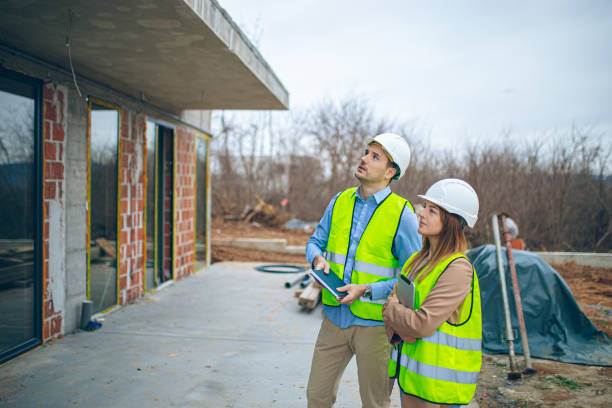
How to Protect Yourself from Scams
Now that you know the tricks, here’s how to protect yourself and make smart hiring decisions.
1. Avoid Unsolicited Offers
Never hire someone who shows up at your door with a “special deal.” Only consider contractors you find through trusted sources, referrals, or verified local listings.
Mrs. Thompson learned this lesson the hard way, but you don’t have to. Start your search with reputable companies like Big D’s Concrete, LLC.
2. Research Thoroughly
Check reviews online, verify licenses, and confirm insurance. Ask questions about past projects and watch for inconsistent answers.
Knowledge is power. “Forewarned is forearmed.” A little research can save you thousands.
3. Get Multiple Written Estimates
Request at least three quotes before deciding. Compare prices, materials, and timelines. This helps you spot unusually low or high bids that may indicate a scam.
4. Ask for References
A trustworthy contractor will gladly provide references. Speak to past clients and ask about quality, timeliness, and honesty. Real stories from real customers are your best guide.
5. Demand a Comprehensive Contract
Never start a project without a written contract. Include scope, materials, timeline, and payment schedule. A detailed contract protects you from misunderstandings and scams.
6. Use Secure Payment Methods & Stagger Payments
Avoid paying in cash. Use checks, credit cards, or secure online payments tied to project milestones. Only pay for work completed, not promises.
7. Never Pay Full Upfront
A reasonable deposit for materials is normal, but a full upfront payment is a red flag. Protect your money and your home by paying in stages as the work progresses.

Why Big D’s Concrete, LLC Is a Trusted Choice
When it comes to concrete, experience and honesty matter. Here’s why Big D’s Concrete, LLC stands out:
- Experience and Reliability: Over years of service, we’ve built a reputation for high-quality, durable concrete projects.
- Verified Credentials: Licensed, insured, and compliant with all local codes.
- Transparent Contracts: Clear scope, pricing, and timelines—no hidden costs.
- Dedication to Quality: Every project is done right the first time, protecting homeowners from scams and headaches.
- Safety First: Our team follows strict safety standards to protect your family and property.
As the saying goes, “A stitch in time saves nine.” Hiring a trusted professional prevents future problems and expenses.
FAQs
1. How to tell if a contractor is scamming you?
Look for unsolicited offers, pressure to pay upfront, vague contracts, inconsistent credentials, or unusually low bids. Trust your instincts and verify licenses and references.
2. What are the most common scams today?
Unsolicited offers, leftover materials, large upfront payments, falsified licenses, “no permit needed” claims, bait-and-switch bids, and contractors using multiple business names.
3. How to pay a contractor without getting scammed?
Use secure payments, staggered by project milestones, avoid cash, pay reasonable deposits, verify work completion, and always have a detailed written contract.
4. What to do if you get scammed by a contractor?
Report to local consumer protection, Better Business Bureau, or licensing board, keep records, seek legal advice, and warn neighbors or online review platforms.