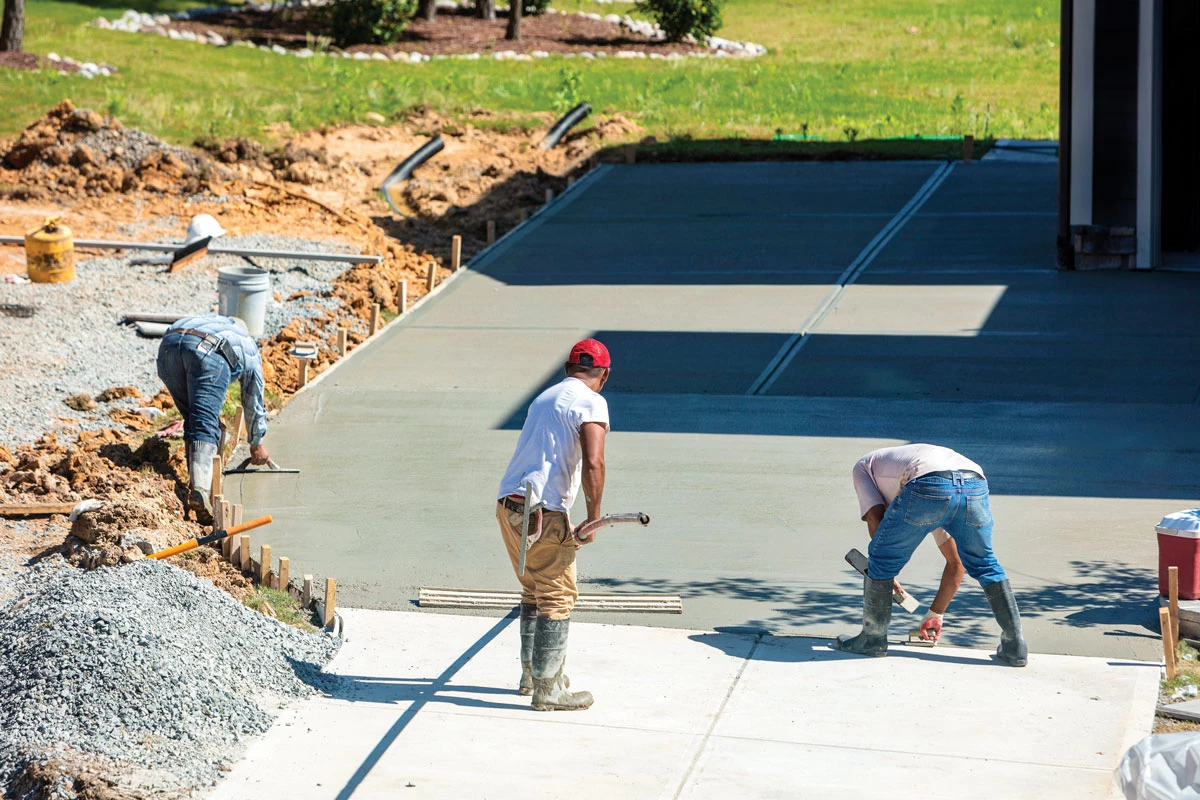
Wondering how much do concrete contractors charge? On average, they bill between $40 and $92 per hour, with a national average near $65.
Individual concrete finishers earn roughly $24 hourly. What do concrete contractors charge per hour truly depends on location, experience, employer, and project complexity.
This guide breaks down how much is a concrete contractor so you can budget with confidence. If you need a local estimate, a trusted Concrete Contractor in Dallas GA can give you an exact quote.
Typical Hourly Rates for Concrete Contractors
So what do concrete contractors charge per hour nationwide? Recent studies place rates between $40 and $92 per hour, with a national average of $65.
Regional variations matter:
- the Midwest runs 38-60
- the South 40-70
- while coastal markets like New York and California climb to 65-92
Individual concrete finishers average about $24 hourly, or roughly $49,000 annually, ranging from $13 up to $34. Your final figure shifts with the specific job.
What Affects a Concrete Worker’s Hourly Rate?
How much is a concrete contractor comes down to several overlapping variables. A worker’s position on the pay scale reflects geographic location, years of experience, skill level, the employer they work for, and added responsibilities like managing projects or overseeing teams.
Project complexity and fluctuating material costs push the number further. Understanding each factor helps explain why two quotes for similar work can differ noticeably. Here’s what shapes the rate.
Geographic Location
Where a contractor works heavily influences how much do concrete contractors charge. Higher wages often signal stronger local demand but also scale to cost of living.
California dominates the top-paying cities: Johnstonville reaches $68,000, San Francisco $61,000, and San Jose $59,000 annually, with Seattle near $56,000.
Head to New York City or San Francisco and prices climb sharply. In the Dallas-Fort Worth area, Plano rates stay competitive with regional norms. For nearby Georgia pricing, compare with a Concrete Contractor in Dallas GA.
Experience Level
Experience directly shapes what do concrete contractors charge per hour. Seasoned pros with over a decade on the job earn more than newbies, having built reputation and expertise.
Construction typically measures experience as:
- entry-level (0-2 years)
- mid-level (3-5 years)
- and senior (6+ years)
Specialized skills, certifications like the OSHA 10/30, and optional licensing boost earning potential. As the saying goes, you get what you pay for. The cheapest option rarely means the best value.
Type of Employer
The employer behind the contractor also affects how much is a concrete contractor. Bigger companies carry more overhead but win bulk discounts on materials and take on complex megaprojects, often paying higher wages and additional benefits. Though longer hours come with the territory.
A small, family-owned business or husband-and-wife team runs leaner overhead. Smaller firms sometimes pay more since each worker becomes vital. Every business structure prices its work a little differently.
Project Complexity
Complexity is a major driver of how much do concrete contractors charge. A basic square patio costs far less than an intricate design with curves and special stamping, because tougher jobs demand more time and skill, and time is money.
Pricing by project reflects this:
- a basic patio runs 5-10 per square foot
- while a stamped concrete patio jumps to 8-20
The more detailed the finish, the higher the rate you’ll pay.
Material Costs
Materials feed directly into what do concrete contractors charge per hour. Concrete, rebar, forms, and sealers all carry real costs, and like everything, those prices fluctuate.
When material costs rise, contractors may adjust their rates to compensate; when prices dip, some savings can get passed on to you.
Since these materials aren’t free, expect quotes to move with the market, another reason two estimates for identical work won’t always match up.
Cost Management Strategies When Hiring Concrete Contractors
Managing how much is a concrete contractor starts with getting multiple quotes, talk to several companies and compare price, timeline, and overall fit.
Don’t hesitate to negotiate; reputable contractors welcome discussion, though suspiciously low lowball offers can be red flags.
Always clarify payment terms upfront. Some ask for a deposit with milestone payments; others split 50% at the start and 50% at completion.
A structured payment schedule keeps everyone on budget with no surprises.
How Hard Is It to Hire a Concrete Contractor?
Hiring reflects supply and demand. The U.S. Bureau of Labor Statistics projects overall employment of masonry workers, including concrete contractors, to decline about 2% between 2021 and 2031, yet still forecasts over 20,000 openings.
The role remains essential, and the industry must fill labor gaps as workers retire or change occupations.
With many young workers choosing non-construction jobs, employers may need to budget a higher hourly rate to stay attractive to skilled talent.
Common Challenges in Hiring Concrete Contractors
Even with a budget set, hiring brings hurdles. Assessing qualifications and credentials is tough unless you’re a concrete expert yourself, so ask to see past projects and how teams stay current on industry standards.
Many jobs require city permits and building regulations. Full-service contractors handle that paperwork and red tape for you.
Finally, prioritize timeliness and reliability; a dependable crew sticks to the project timeline and keeps you looped in at every step.
Frequently Asked Questions
How much do concrete contractors charge per hour?
Concrete contractors typically charge between $40 and $92 per hour, with a national average around $65. Individual concrete finishers earn roughly $24 hourly, or about $49,000 annually, depending on location, experience, and project complexity.
What is the average concrete finisher salary?
A concrete finisher in the United States makes roughly $24 an hour, or around $49,000 per year. Pay can climb as high as $34 an hour or drop as low as $13, based on skill level, certifications, and geographic location.
Which regions have the highest concrete contractor rates?
Coastal markets like New York and California top the list at 65-92 per hour. The Midwest runs 38-60, while the South falls between 40-70. California cities such as San Francisco, San Jose, and Johnstonville pay the highest annual salaries.
Why do concrete contractor prices vary so much?
Rates shift with geographic location, years of experience, skill level, the employer’s size, project complexity, and fluctuating material costs. Because concrete, rebar, forms, and sealers all change in price, two quotes for identical work can differ noticeably.
Does experience affect how much a concrete contractor charges?
Yes. Seasoned pros with over a decade of experience charge more than entry-level workers. The industry measures experience as entry-level (0-2 years), mid-level (3-5 years), and senior (6+ years). Certifications like the OSHA 10/30 also boost earning potential.
How does project complexity impact concrete pricing?
More complex jobs demand more time and skill, which raises the cost. A basic patio runs 5-10 per square foot, while a stamped concrete patio with curves and special stamping jumps to 8-20 per square foot.
Do bigger concrete companies charge more than small ones?
Larger firms carry more overhead and take on complex megaprojects, often paying higher wages and benefits. Smaller family-owned businesses run leaner overhead, but they sometimes charge more since each individual worker becomes more vital to the job.
How can I manage costs when hiring a concrete contractor?
Get multiple quotes and compare price, timeline, and fit. Don’t hesitate to negotiate, since reputable contractors welcome discussion. Watch for suspiciously low lowball offers, and clarify payment terms, such as a deposit with milestone payments or a 50/50 split, upfront.
Is it hard to hire a concrete contractor right now?
The U.S. Bureau of Labor Statistics projects employment of masonry workers to decline about 2% between 2021 and 2031, yet still forecasts over 20,000 openings. As young workers choose non-construction jobs, employers may raise hourly rates to attract skilled talent.
What should I check before hiring a concrete contractor?
Review their qualifications, credentials, and past projects to confirm they meet industry standards. Make sure they handle city permits and building regulations, and confirm they value timeliness and reliability by sticking to the agreed project timeline.