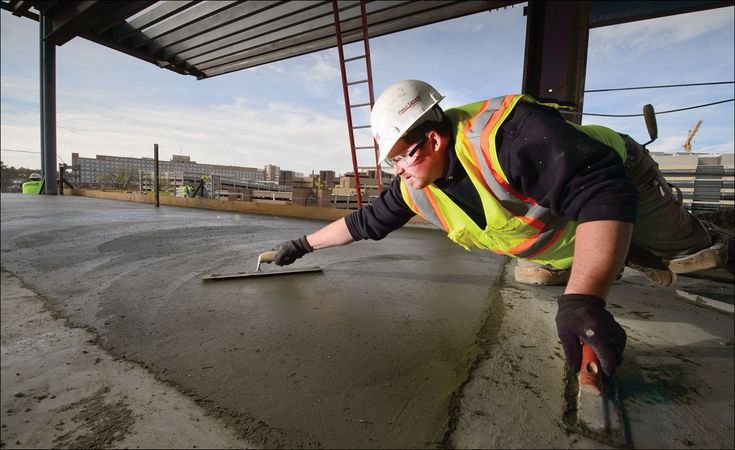
When planning a concrete project, one of the most important decisions you’ll make is choosing the right type of contractor. Many property owners are unsure about the real residential vs commercial concrete contractors difference and often assume that all concrete professionals provide the same services. In reality, residential and commercial concrete work requires very different skill sets, equipment, and experience levels.
Understanding the difference between residential and commercial concrete helps you avoid costly mistakes and ensures your project is completed efficiently, safely, and to a high standard. This guide will walk you through the key differences and help you choose the right concrete contractor for your specific needs. Understanding the residential vs commercial concrete contractors difference early helps property owners make smarter decisions and avoid costly project mistakes.
Understanding Residential Concrete Contractors
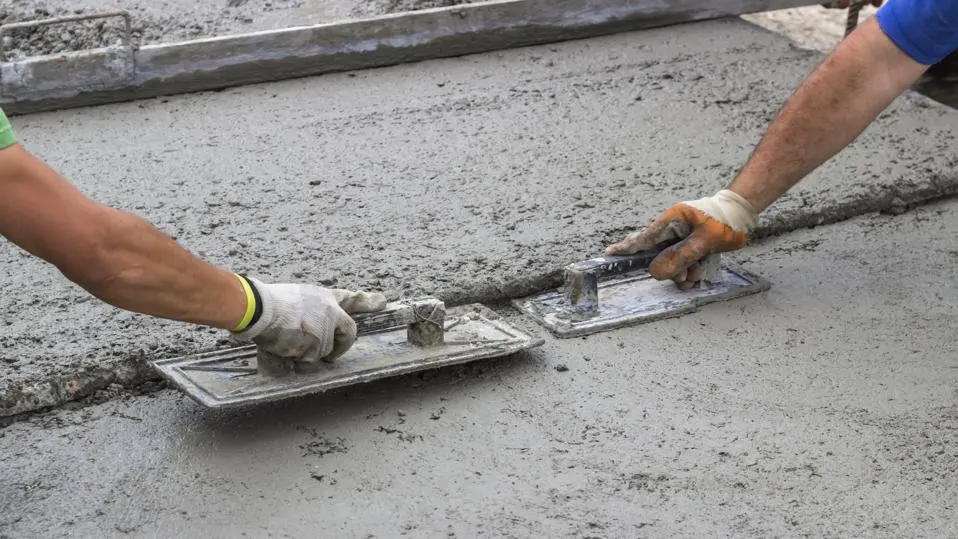
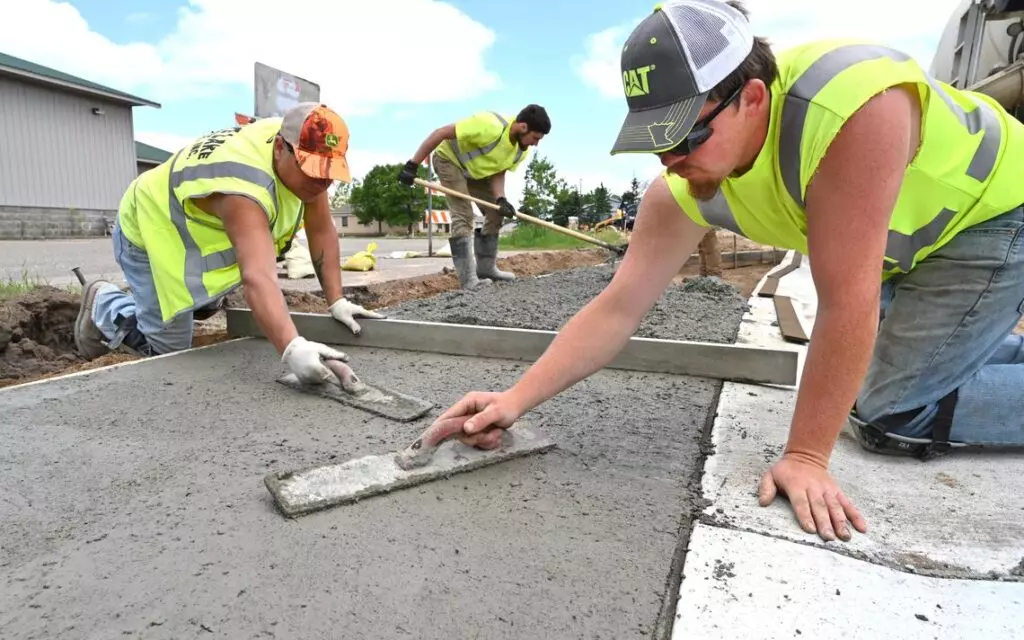
Residential concrete work focuses on homes and small-scale properties. Residential concrete contractors services are designed to improve functionality, safety, and curb appeal for homeowners.
Home concrete construction experts typically work on projects that require precision, aesthetics, and attention to detail. These contractors understand how concrete integrates with landscaping, architectural design, and daily household use. Residential projects also involve closer client interaction, customized designs, and finishes that complement the home’s appearance. When comparing residential vs commercial concrete contractors, residential experts focus more on design, detail, and homeowner-specific needs.
Residential Concrete Contractors Services (Bullet Section 1)
Residential concrete professionals commonly handle:
- Driveways and driveway extensions
- Patios and outdoor living areas
- Sidewalks and walkways
- Concrete steps, porches, and slabs
- Garage and shed foundations
These services require proper grading, smooth finishing, and long-term durability, especially for areas exposed to weather and daily foot or vehicle traffic.
These projects clearly highlight how residential vs commercial concrete contractors differ in terms of scale and customization.
Understanding Commercial Concrete Contractors
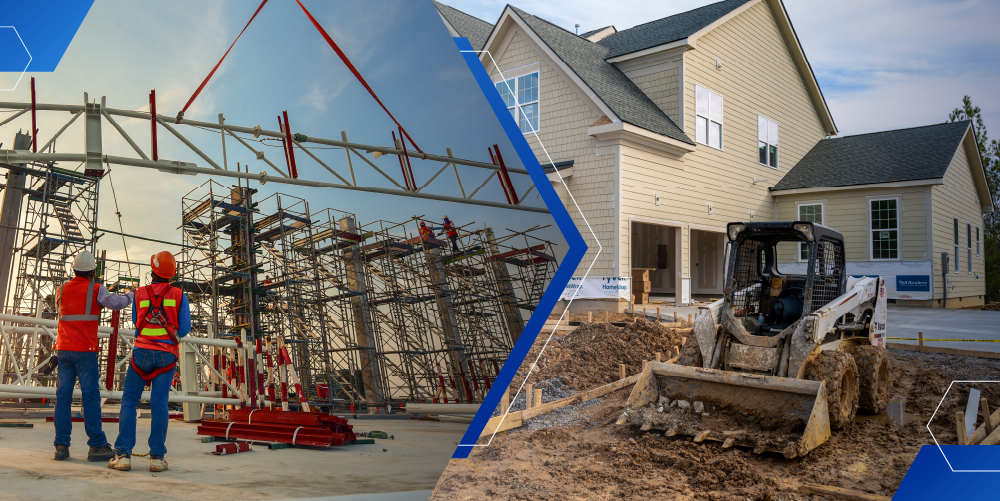
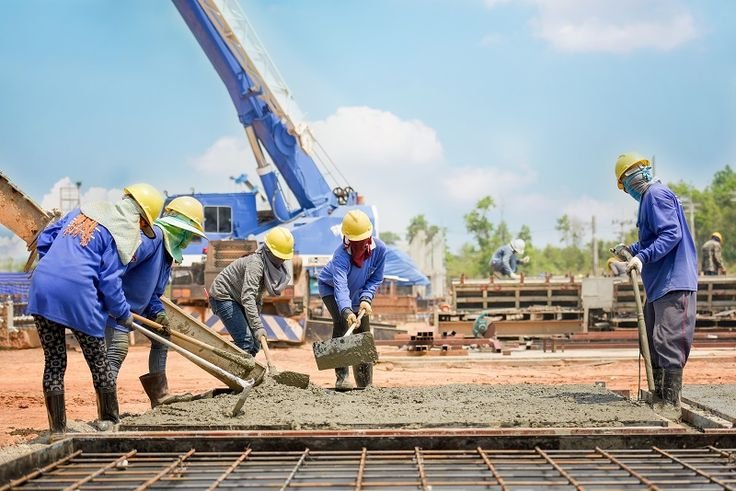
Commercial concrete projects are larger in scale and higher in complexity. Commercial concrete contractors services are focused on strength, load-bearing capacity, safety regulations, and efficiency.
Industrial concrete construction specialists work on projects that must support heavy equipment, high traffic, and strict building codes. These contractors use advanced machinery, larger crews, and detailed planning to ensure structural integrity and compliance with regulations.
The residential vs commercial concrete contractors difference becomes more visible when dealing with large-scale commercial construction requirements.
Commercial Concrete Contractors Services (Bullet Section 2)
Commercial and industrial concrete contractors typically provide:
- Foundations for commercial buildings
- Parking lots and loading docks
- Warehouses and industrial floors
- Curbs, ramps, and large slabs
- Concrete structures for retail and office spaces
Precision, durability, and compliance are critical in commercial concrete work, making contractor experience essential. This further explains the residential vs commercial concrete contractors distinction in performance, materials, and execution.
Key Differences Between Residential and Commercial Concrete Contractors
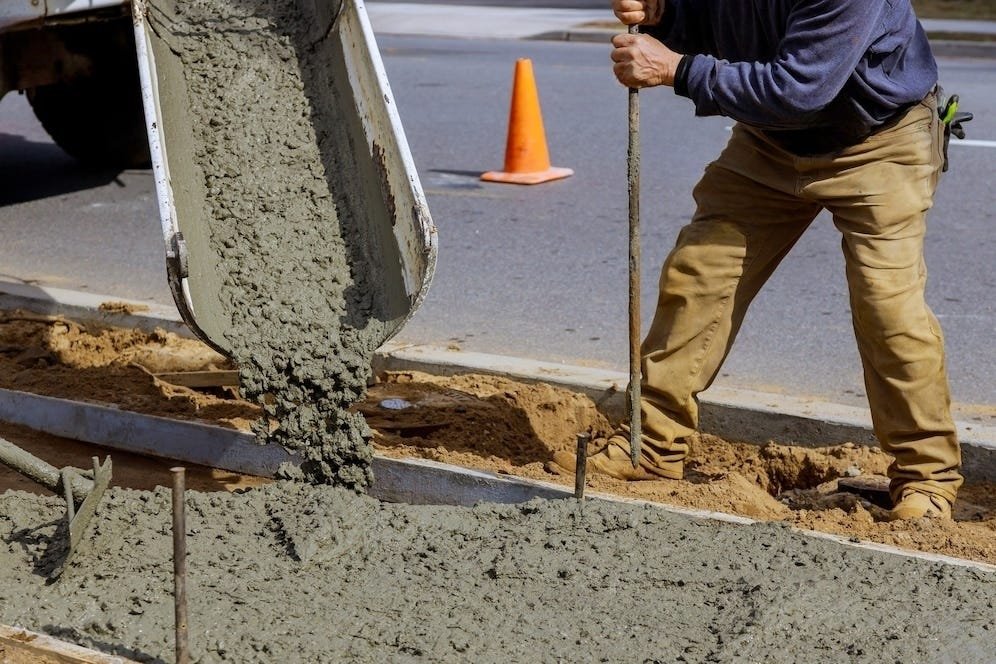
The main difference between residential and commercial concrete lies in project scale, complexity, and purpose. Residential work prioritizes appearance and comfort, while commercial concrete focuses on performance, safety, and long-term structural demands.
Residential contractors work with homeowners and smaller crews, while commercial contractors coordinate with engineers, inspectors, and multiple trades. Choosing a contractor without the right background can lead to delays, code violations, or costly rework. Overall, the residential vs commercial concrete contractors comparison helps define the right approach for each type of project.
How to Choose the Right Concrete Contractor for Your Project
To choose the right concrete contractor, you must first understand whether your project is residential or commercial. Hiring a residential or commercial concrete expert with relevant experience ensures smoother execution and better results.
Local companies like Big D’s Concrete LLC stand out by offering professional guidance, transparent communication, and proven expertise across different project types. Contractors with strong local reputations often align well with Google’s E-E-A-T standards, emphasizing experience, authority, and trust. A clear understanding of residential vs commercial concrete contractors allows you to confidently select the right professional for your specific construction needs.
Best Concrete Contractor for Your Project: What Really Matters
The best concrete contractor for your project is not necessarily the cheapest option. Experience, reliability, proper licensing, and clear communication matter far more than low pricing.
A professional contractor will evaluate your site, explain material choices, outline timelines, and provide a realistic estimate. This level of professionalism helps avoid misunderstandings and unexpected costs later. Knowing the residential vs commercial concrete contractors difference also helps you avoid hiring the wrong contractor for the job.
Hiring Concrete Contractors Guide for Smart Decisions
This hiring concrete contractors guide approach can save you time and money. Always review past projects, confirm insurance, and ask about warranties. Following proven concrete contractor selection tips helps ensure long-term satisfaction and durable results. By comparing residential vs commercial concrete contractors, you can make more informed decisions and ensure long-term project success.
Local expertise, especially in areas like Dallas, is an added advantage because contractors understand regional conditions, regulations, and expectations. Choosing between residential vs commercial concrete contractors is a critical decision that directly impacts the success of your construction project.
Final Thoughts
Understanding residential vs commercial concrete contractors is essential before starting any concrete project. Each type of contractor serves a specific purpose, and choosing the wrong one can lead to poor performance and unnecessary expenses.
Whether you need residential improvements or commercial construction, working with the right expert ensures quality, safety, and long-term value. Concrete is a foundation investment—making the right choice today protects your property for years to come.
Frequently Asked Questions (FAQs)
1. What is the main difference between residential and commercial concrete contractors?
Residential contractors focus on homes and aesthetics, while commercial contractors handle larger, more complex projects that require higher load capacity and strict compliance.
2. Can a residential contractor handle commercial concrete work?
Not always. Commercial projects require specialized equipment, experience, and knowledge of regulations that many residential contractors do not have.
3. How do I choose the right concrete contractor for my project?
Identify whether your project is residential or commercial, check experience, reviews, licensing, and choose a contractor with proven expertise in that category.
4. Why is hiring an experienced concrete contractor important?
Experienced contractors reduce risks, prevent costly mistakes, follow safety standards, and deliver durable results that save money over time.